Seeing Your Money from Two Vantage Points: Why You Need Both and How They Differ
Key Takeaways
Budgeting looks at your day-to-day financial actions.
Net worth pauses to see money in a moment.
Mixing up these two categories is very common—and it signals a need to strengthen financial understanding!
Awareness of both, over time, can reveal trends, red flags, and progress.
You want to get a better handle on your money, but you’re overwhelmed by all the moving parts:
Is an HSA the same as an FSA?
Should you check your credit score every day?
Are your student loans subsidized or unsubsidized?
Is the 0% credit card balance transfer actually free?
How can you keep everything straight? How do you know if you’re doing it right?

Before focusing on all the detail-related questions, make sure you see the bigger picture.
Learn to see your finances from two distinct but essential perspectives: budgeting and net worth.
What Budgeting Measures
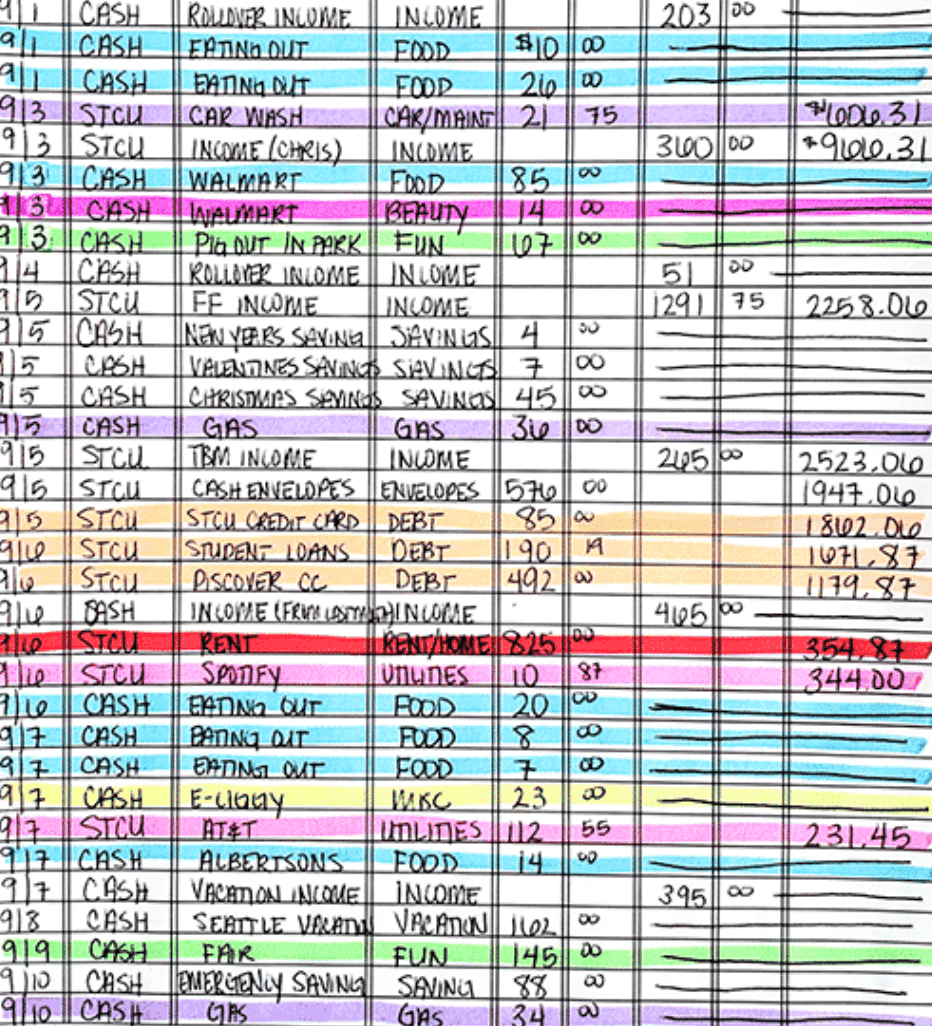
Budgeting is all about your money in motion.

It answers questions like:
How much money is coming in?
Where is it going?
Are you spending less than you earn?
Budgeting looks at your day-to-day financial actions. You get your paycheck, pay your electricity bill, donate to charity, grab dinner, earn interest in your savings account, etc.
It sees your money’s everyday movements over a period of time.
What Net Worth Measures
Your net worth, on the other hand, sees your money from a different angle.
Net worth looks at:
How financially rich are you right now?
If you were to sell what you have and pay off your debts, how much would you have at the end of the day?
How does the value of what you own compare to what you owe?
Rather than seeing money in motion over time, net worth pauses time to see money in a moment.

When you see your net worth at multiple points in time, you gain insights your budget can’t show you.
Real-Life Example
I worked with a financial coaching client who was learning to calculate his net worth.
He listed his assets:
$3,500 in a checking account
$5,000 in a savings account
$4,000 in stocks, etc.
He listed his debts:
$7,300 on the Chase Credit Card
$11,000 in student loans
A few other credit card balances
A $60 monthly phone payment
Do you see how one of these things is not like the other?
Along with his debt balances, he listed a monthly payment amount.
His monthly payment belongs in his budget, not his net worth calculation. Net worth items and budgeting items are like apples and oranges.
Examples of net worth items:
$35,000 savings account balance
$12,000 federal student loan balance
$205,000 total owed on your mortgage
Examples of budgeting items:
$29 interest earned in a savings account this month
$330 monthly student loan repayment amount
$890 monthly mortgage payment amount
The crucial distinction:
Net worth looks at total balances in a moment of time, not expenses, like payment amounts.
Budgeting looks at income and expenses over a period of time, including payment amounts.
Why They Get Mixed Up
Mixing up these two categories is very common—and it signals a need to strengthen financial understanding!
Why do people struggle to distinguish between budget items and net worth items?
They overlap.
It’s easy to feel unclear on the difference between a loan's balance and its regular payment amount. We might refer to the balance and the payment in the same way, saying “the mortgage” or “student loans.”
One demands more attention.
It’s easier to notice money up-close. Get a notification, tap your card, accept a Venmo payment. It takes more intentionality to step back and see your balances.
The small-picture feels safer.
Some people see budgeting items with tunnel vision, ignoring net worth questions.
They might check prices at the store, track expenses meticulously, or look at a car's monthly payment instead of the total cost.
But they’re afraid to measure the big-picture results of their small-picture habits.
In this video, George Kamel asked strangers about their debt.
Can you tell us how much debt you have?
I’m not in debt. I’m just paying things off… I have medical bills that I’m paying off…
After the initial reaction, “I’m not in debt,” a follow-up question revealed $5,000 of medical debt.
And how about you?
At this point, I think it’s just my home…
Amazing!…
... [My husband] has student loan debt… 6 figures…
After replying, “just my home,” an interviewee added that her husband (and therefore her household) had half a million in student debt.
Many adults feel foggy on these numbers!
How to Grow Stronger
Though it’s common to confuse the two, you can easily train your mind to distinguish net worth from budgeting items.

Make spending choices based on the total cost all together, not just the monthly payment amount.
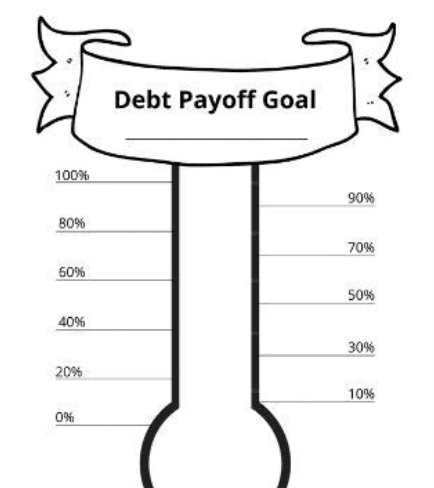
Track your overall debt repayment progress with a visual illustration of the original and current balances.
Plan in advance how often you’ll calculate your own net worth– for example, once every 3 or 6 months—and create a regular reminder in your calendar.
The Bottom Line
The more you notice the distinction between budgeting and net worth items, the stronger you’ll be with money.
Both budgeting and net worth look at the reality of your financial situation. They just provide two different vantage points—both essential to seeing where you stand.
Awareness of both, over time, can reveal trends, red flags, and progress.
Seeing your money clearly from these two angles, you can pursue answers to the inevitable detail-related questions with a greater sense of confidence and perspective.