

Your life is about more than money. Strengthen your money to strengthen what matters.Personal finance coaching with Lesley, for couples and individuals
To help you grow strong with money, I guide you through a 3-step process.

1 Greeting
A free intro call—to introduce ourselves
We’ll chat about where you are.
I’ll explain how the coaching process can inject strength and hope into your financial journey.
I can’t wait to talk!

2 Groundwork
A one-time session—to gain clarity
Your Groundwork session is all about getting clear on the present state of your money life.
When we see where you are now, we’ll shine light on the path to where you want to be.

3 Growth
Financial coaching sessions—to implement change
Our Groundwork session brought clarity.
Sometimes clarity is enough.
But maybe you desire change.
Our Growth sessions will bring change.
-
$355 down and $75 per session
8 coaching sessions
Personalized action steps
8 post-session check-in calls
-
Ready to strengthen your money life?Ever feel like you missed a memo—or a whole class—about how to manage money as an adult?
You’re not alone.
Most of us were never taught this stuff.
I spent 39 years understanding very little about personal finance. I felt the dread of not knowing how I was doing financially.
Uncertainty feels awful.
Then something switched. I started learning everything I could. I finally saw connections between money and everything that matters to me more than money. Concepts I never expected to understand became clear.
I can’t go back and coach my younger self—but I can empower you to feel more competent and confident!

-
"The experience was genuinely transformative."
Sam
-
"At the start of our time together I was at a net worth in the negative values. I have now increased [my net worth by] a total of 1.5 times my yearly salary."
Zach
-
"Her expertise and guidance gave us the confidence to make a major financial shift for our family."
Julia
-
"We started meeting with her feeling quite discouraged about our financial situation and ended feeling very confident and competent to continue on our own."
Ryan
-
"She took time to really understand not just our financial situation, but our relationship with money as well."
Laura
-
"I would 100% recommend her services to anyone who wants to learn more about how they can use their money in a responsible and effective way."
Alyssa
-
"This collaborative approach helped me see the full, honest picture of my financial health—both the strengths I didn't realize I had and the blind spots I needed to address."
Sam
-
"Without her help, I would not be even close to where I wanted to be with my goals!"
Zach
-
"What truly stood out was her patient, non-judgmental approach—it made us feel supported and empowered every step of the way."
Julia
-
"Not once did we encounter a topic she was unwilling to explain and never talked down to us when we didn't understand a topic."
Ryan
-
"My husband and I went from hesitantly opening our bank statements every month to feeling prepared and well educated to make smart financial decisions for our family in the future."
Laura
-
"She was patient, understanding and very informative about finances."
Alyssa
Want to learn more each week?
You're constantly bombarded with noise from banks, influencers, and industries that profit from your confusion.
This newsletter cuts through that chaos giving you clear, honest insights to help you take control, feel confident, and actually enjoy managing your money.
Articles
I love amusement parks.
I’m thankful to spend my summers close enough to Cedar Point to visit often.
I recently planned to go with my kids and a few of their friends. According to the forecast, we could pick a rainy Saturday or a Sunday without a cloud in the sky. At first glance, the sunny day looked like the obvious choice.

Most people don’t know how to know how they’re doing with money. Others don’t even want to know.
This free assessment is how to know.
If you’re brave enough to find out how financially strong you are, take it now!

As a personal finance coach, I worked with a couple who loved learning, reading, music, gardening, fitness, each other, and their two children.
They had been happily married for 8 years without learning much about personal finance. They hoped the professionals would pay attention to their financial details— while they focused on the more important things in life.
As I got to know the couple, I gradually shared personal finance insights with them. They began to turn more attention than ever toward their accounts.
Then they noticed something they had never seen before:

Have you ever watched everyone around you buy something and wondered why?
Maybe it’s a kitchen renovation, a trendy travel mug, a sugary drink, or an overseas trip. Everyone else seems to love this stuff, so I guess you should, too.
But what if you don’t?

Personal finance nerds debate endlessly about which tactics to use to pay off debt.
Should you prioritize building up your savings first— or keep your savings low while you throw as much as possible toward debt?
Should you focus on paying off your original loan— or switch loans to get a lower interest rate?
Should you refinance? Consolidate? Use a balance transfer?
There are good arguments to be made for many of these strategies. But sometimes we can become so focused on choosing the right tactic that we overlook the thing that matters most:
How fast are you actually paying off the debt?

One night when I was pushing 40 and my kids were young, I lay awake, unable to sleep.
I thought about how life is short. My kids love animals. For pet show-and-tell day at preschool, they took a roly poly from the garden (or as we call them, Armadillidiidae). Aside from that, they had never had a pet.
I worried: Are they really going to grow up without a pet? How do people afford pets?
In the couple of years that followed, these worries helped me realize something. The dreams my husband and I had for our kids wouldn’t happen simply because we wanted them to. They would become possible only if we grew our financial strength and confidence.

I've talked with spouses who say, "I'm not interested in that boring money stuff. That's what my partner is for. They enjoy it, and they do a great job."
Historically, I wasn't much of a money person. Somewhere in the back of my mind, I hoped my husband would somehow keep an eye on our finances—whatever that meant.
In hindsight, that wasn't fair to either of us. As long as I believed one person could handle the money, we were both missing out.

In the winter of 2012, two weeks before our first child was born, I bought my uncle’s 2004 Toyota Sienna minivan for $7,500.
Over the years that followed, I prayed that it would keep running as long as possible. I wanted it to last forever.
For one thing, it was a practical car. But I also dreaded having to spend money on its replacement.

How healthy are your finances?
You might immediately think of your income, credit score, debt balances, savings, or net worth. Those numbers matter, but your financial health is bigger than any single number. A few thoughtful questions can reveal where you stand and point you in the right direction.
I found six free financial health quizzes worth trying. Set aside a few minutes and take each one. Then ask yourself: What differences do you notice? What themes do they share in common? Which questions make you pause?

In the fall of 2011, I was, like Beyoncé, expecting my first child— a daughter.
I planned to stop working full-time after the baby was born. Even I could admit it was a good time to seek guidance about money, despite my distaste for the topic.
When my husband and I met with someone for money advice, the expert reviewed our spending.
He said, “You guys are fine. You basically practice intuitive budgeting.”
I interpreted this as validation of my avoid-numbers-and-stay-uninformed approach. “Intuitive budgeting” became my official excuse not to learn more.

There's a feeling most of us know well.
You walk into a room piled with stuff you don't quite know what to do with, and you feel a pit in your stomach. A low hum of stress. A vague sense that you should deal with it, but you're not sure where to start. So you close the door.
There's another version of that feeling. You open your banking app, glance at your account balance, cringe a little, and close the app. You tell yourself you'll look at it more carefully later.
When what you own is in disarray, without a system to make sense of it, it doesn’t feel good.

Who taught you what you know about money? Many of us had a key role model whose advice still echoes in our minds. Some of us floundered without anyone to teach us. Maybe you still wonder where to turn for guidance.
Whether or not anyone taught you about money in the past, it's important to get the right voices in your ear as you move forward. The personal finance world changes constantly. Your own life circumstances evolve. True money strength means keeping your curiosity alive and your awareness fresh.
Have you ever started to learn about investing, only to get lost in a sea of jargon? The technical terms make investing feel overwhelming. No wonder so many people lack confidence.
Here’s the truth: you don’t need to know everything to be a successful investor. In fact, you only need to understand a handful of simple terms. If you tune out the intimidating language and grasp the key concepts, you’ll know enough to invest wisely.

Life throws curveballs. A flat tire, a surprise medical bill, or an unexpected job loss can shake your financial stability. Without a safety net, these events don’t just disrupt your routine— they can push you into debt, stress, and panic.

If you see your spending more than other areas of your financial health, you are at risk.
For years, spending was the only aspect of my financial life that I saw.
Everything changed when I stopped seeing spending as the whole story.
Spending is the loudest part of your financial life. It demands your attention almost every day. Groceries. Gas. Birthday gifts. Shoes. Shampoo. The Costco run that magically turns into $353 every time.

Have you ever felt so excited to buy something you wanted, only to question yourself and feel guilty later?
Maybe it was a dinner out, a new phone, a piece of furniture, or a weekend trip. In the moment, you said yes wholeheartedly. Afterward, you wondered if that “yes” meant saying no to something more important.
Here’s the thing: every money decision involves a tradeoff, whether we like it or not.
But the tradeoffs don’t have to feel confusing or painful. Awareness of tradeoffs isn’t just about saying no. This mindset can help you say yes with confidence.

You’ve built stability. You’re covering your expenses. You’re contributing for retirement. You’ve even knocked out your high-interest debt.
When you make it to this point, you’re not just solving problems anymore. You think proactively.
You have a different kind of question:
What should you do with the extra money?
Do you send it toward your mortgage—chipping away at a decades-long obligation? Or do you invest it, putting your money to work for future growth?
This is one of those personal finance debates that never subsides. Like most debates that stick around this long, it persists because both sides make compelling points.

Spend enough time in personal finance circles and you’ll start to think there are dozens of competing philosophies about how to pay off debt. One expert insists you should attack the smallest balance first. Another says that’s mathematically foolish; you should focus on the highest interest rate. A third tells you neither approach matters if you’re not simultaneously investing.
It sounds like disagreement. It sounds like conflict.
But amidst the noise, there’s an overlooked truth: they all agree.
There's only one good way to pay off non-mortgage debt. And it’s the same framework every credible personal finance educator teaches— whether they frame it differently or not.
If you’ve ever wished for a quick fix to your money challenges, you’re not alone.
It’s captivating to imagine a quick route to financial success.
But here’s the truth: financial strength isn’t built overnight. Just like building physical strength or growing a tree, it takes time, consistency, and steady progress.
The great news is you don’t need a miracle to succeed, but you do need to keep growing, one step at a time.

Most people manage their money on autopilot. They don’t have a game plan. They pay the bills, spend on whatever comes up, and save what’s left over—if anything.
The problem: Without intentionality, money slips away on things that don’t matter, leaving you perpetually stressed and unfulfilled.
The great news: You might not need more money to feel more in control. You might just need clarity.
When you see clearly how money connects to what matters to you, you see the control panel of your finances. You’re no longer in the dark, making mindless and misinformed decisions.

I was recently on a group call for entrepreneurs learning about marketing.
During the call, another participant messaged me privately. She said we did similar work and asked if I’d schedule a call with her.
She mentioned she was pivoting into wealth management. I’m a financial coach, so that sounded like a natural connection.
We scheduled a call.
During our conversation, I learned that she was involved in a multi-level marketing (MLM) company selling life insurance products. She had hit rock bottom financially 6 months earlier, when a friend called, offering a wealth-building opportunity.
She didn’t explicitly pitch me on anything. She said she wanted to tell me more about the life insurance products and meet again the following week.
She mentioned she’s attending as many networking events as possible to find clients.
After the call, I found myself wondering:
How many other people from that group received the same message?

When you think of improving your finances, many of you think: budgeting.
But strengthening your financial life is so much more than budgeting.
When you think of budgeting, many of you think, “I could never do that. Sounds like too much work!”
But we can break budgeting down into 3 distinct, doable habits.
Budgeting is not the most exciting aspect of growing money-strong. It’s also not the best starting point for everyone.
Some say they tried budgeting and it didn’t work. I have to wonder: was “budgeting” to blame, or was your concept of budgeting inadequate?
What someone calls “budgeting” differs completely from another’s understanding.
That’s why I like to give “budgeting” a thorough definition—specific enough to make an impact, while allowing flexibility and creativity in practice.
It’s a framework that’s useful for diverse, real-life humans— even those who never imagined they could get into budgeting!
In my Observe–Track–Direct framework, budgeting stems from three simple actions:
Observe – look at what your money is doing
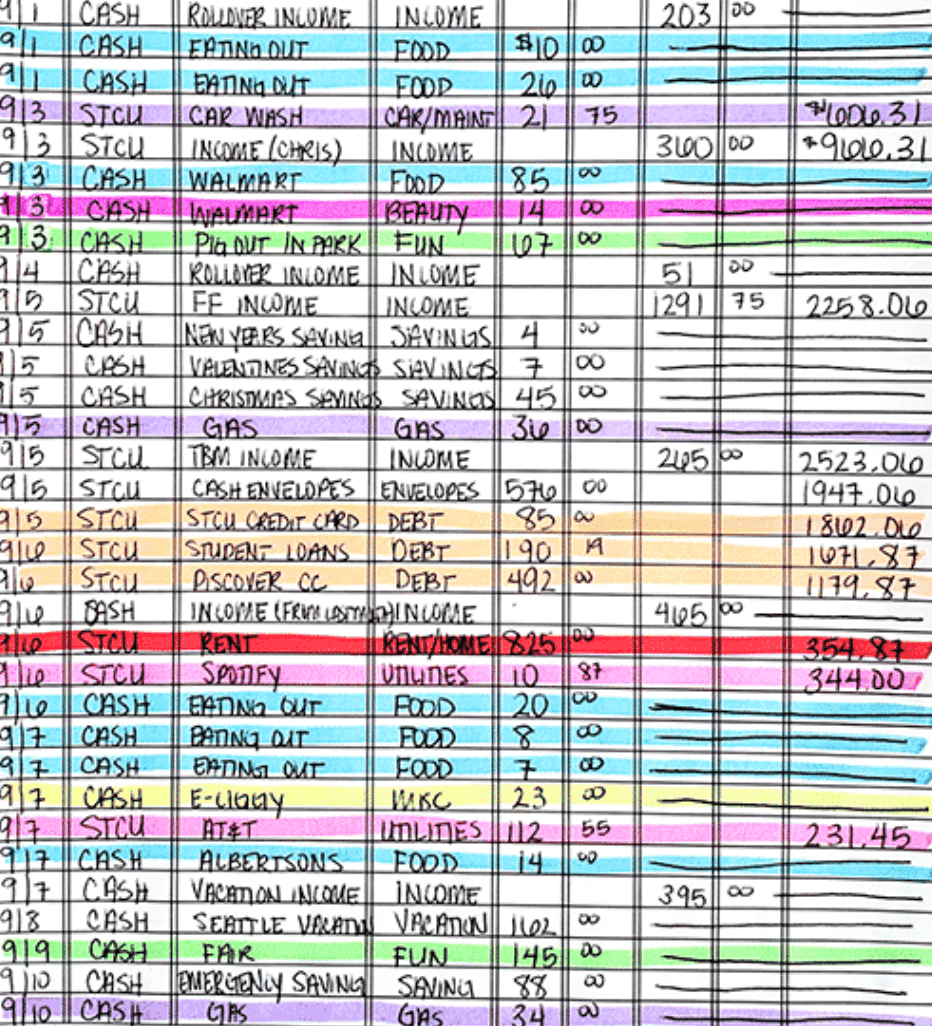
Track – record your income and expenses
Direct – send your money where you want it to go
Observation creates awareness.
Tracking creates understanding.
Once those skills feel comfortable, you’re ready for the final phase: directing your money.
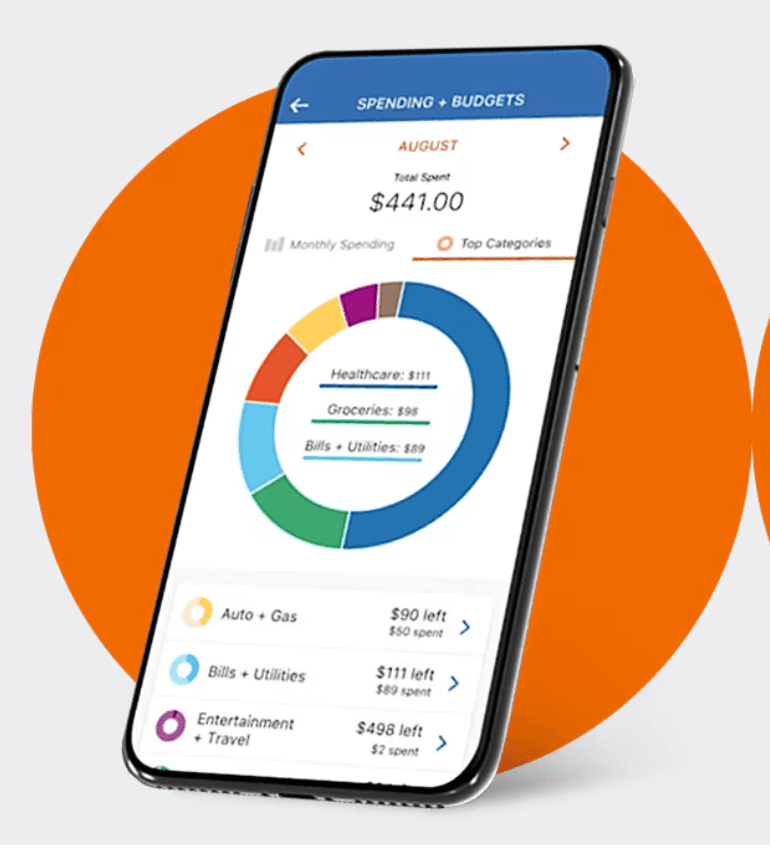
Some people who say they keep a budget don't actually do what I consider real budgeting.
Sometimes they think they're budgeting because they keep a list or spreadsheet.
In my view, keeping a record of certain key numbers can be powerful, but only if joined with the other two essential habits of budgeting.
In my Observe–Track–Direct budgeting framework, budgeting stems from three simple behaviors:
Observe – look at what your money is doing
Track – record what you see
Direct – intentionally plan where your money will go
Once observing becomes a regular habit, you’re ready for the next step: tracking your money.
When I hear people throw out the word “budget,” I often wonder if we’re talking past each other.
What exactly does budgeting mean?
If we don’t really know what we mean by “budgeting,” we can’t communicate about it, let alone do it.
I see budgeting as three behaviors layered on top of each other. That’s why I created the Observe-Track-Direct framework to define what I mean by “budgeting.”
Instead of trying to master budgeting all at once, this approach grows three skills one at a time:
Observe
Track
Direct
Together, these behaviors form a complete approach to budgeting.
Before you can control your money, you have to get comfortable simply looking at it.
That’s why this is the first component of budgeting: observe.
For many people, the word budget has a bad reputation.
Do you like the word?
Maybe you imagine someone hunched over a calculator, stressing over a spreadsheet. Maybe you picture strict rules, constant restraint, and saying “no” to things you enjoy.
For a lot of people, budgeting sounds like a lifestyle of restriction, deprivation, and limitation.
If that’s what budgeting really were, it would make perfect sense to avoid it.
Many budgeting approaches jump straight to control.
Real humans are the ones implementing these methods. So budgeting strategies must take human nature into consideration!

When you’re looking to buy a car, or furniture, or open a credit card, you hear the pitch:
“It’s only $199 a month!”
Sounds manageable, right? That’s exactly the point.
Lenders don’t want you focused on the total cost of a purchase or how the debt affects your financial future. They want you focused on whether you can handle the payment—because that mindset keeps you borrowing longer and paying more in interest.
When you base spending decisions only on the cost of payments, you benefit the lender’s bottom line and neglect your own net worth.

If there’s one thing we know about the future, it’s this: things will change.
The job landscape shifts. Tax laws evolve. Technology creates new opportunities. What worked yesterday might not work tomorrow.
That’s why the smartest financial strategy doesn’t assume it’s already smart enough.
People who are strong with money stay curious.
If you want to safeguard your finances, stay curious as an ongoing learner.

Have you caught yourself thinking, “When I have more money, I’ll finally feel legitimate”?
Or, “I’m glad I’m not rich like those jerks”?
Does money make people better or worse?
In a world that often measures worth by income, image, and possessions, it can feel like your value as a person is tied to your financial status.
But here’s the truth: your money doesn’t give you value. You give your money value.
Money isn’t who you are. It’s a tool you use. And when you shift that perspective, everything about your relationship with money begins to change.

If you have an investment account like a 401(k), IRA, HSA, or brokerage account— congratulations! You’ve taken an important step toward financial strength.
But beware: owning an account is not the same as contributing, and contributing is not the same as investing.
People assume that once the account is open, or once money is in the account, it’s automatically working for them. In reality, the account may be empty or idle, earning almost nothing.
That’s why it’s so important to take the next step: don’t just open an account; don’t just contribute; actually start investing!

I started trying to understand personal finance for the first time when I was 39 years old. I devoured books, podcasts, and any material that shed light on the subject in plain language.
For the first time, I questioned my long-held assumption that I wasn’t the kind of person who concerned myself with personal finance.
For the first time, I began to feel the empowerment of knowing more than ever about how money works– the empowerment of seeing my options.
But one area of personal finance lagged behind the others, failing to earn my enthusiasm: taxes.
The truth: even if you loathe the topic of taxes, learning a tidbit here and there can be easy, and can come in handy.