
Is it just me, or do you ever look around your home and realize you own a bunch of things you don’t actually want? Maybe you see clothes that aren’t comfy, decor you don’t love, or a gadget that seemed great in the store but now just takes up space.
What if you could undo some of those purchases and use the money to give your financial health a fresh start?

The Minimalists: Did you know that all that clutter used to be money?
Returning purchased items can be a smart way to jumpstart your financial wellness. It puts money back in your pocket, creates an opportunity to reconsider your spending habits, and sends a message to yourself that you’re ready to do things differently.
Give Yourself Permission to Undo
After you’ve made the purchase, it’s easy to assume what’s done is done. The money is spent, the item is yours, and now you live with the consequences.
But when a merchant allows returns, you might have another option.
Returning an item is like pressing an undo button. You can reverse a decision that no longer makes sense and redirect your money toward something that matters more.

"I wish there was an undo button for this thing!" From the SNL sketch "Touch Up"
That money could help you build your emergency fund, pay down debt, or save toward a goal that genuinely matters to you. Instead of letting money remain tied up in things you don’t want, you can put it to better use.
I recently purchased one of my favorite Ikea chairs, Dyvlinge (not my first!), but the seat cushion wasn’t as firm as it was supposed to be. I was relieved they gave me a full refund the next day (even though I had taken off some tags– oops!).
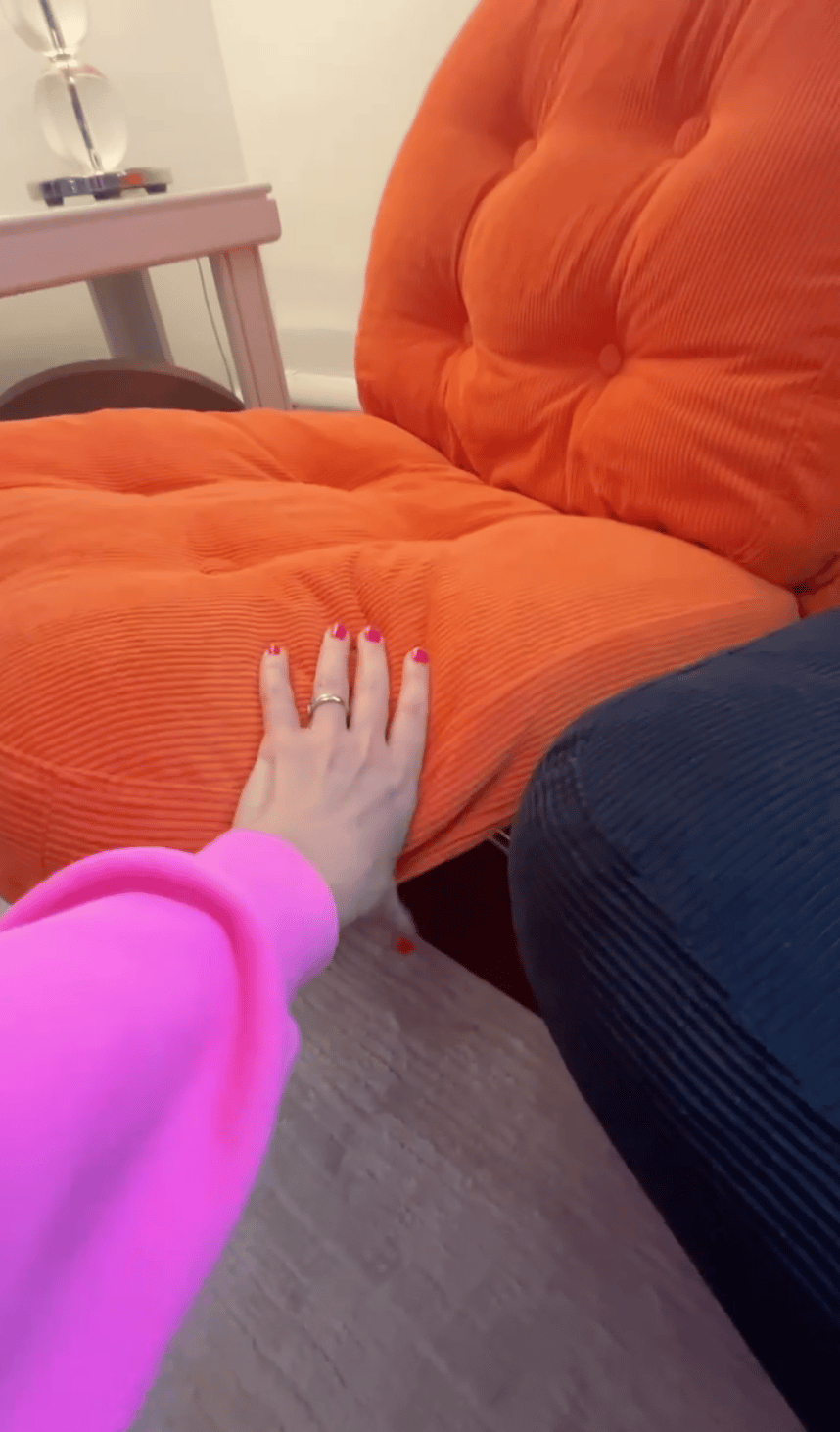
Me squishing my new Dyvlinge seat to discover it's not as firm as the others.
The financial benefit is just one of the upsides. Returning purchases can also be an opportunity to examine the decisions that led you to buy them in the first place.
Recognize When You’ve Been Buying Too Much
A season of returns can be especially helpful if you have a tendency to buy more than your space and finances can reasonably accommodate.
Maybe your closet is full, your kitchen cabinets are overflowing, or your storage spaces are packed with things you intended to use some day. Maybe your credit card balance is growing while your savings account remains stagnant.
These can be signs that your spending habits aren’t aligned with your priorities.
You don’t need to feel ashamed about the purchases you’ve made. Instead, use them as information. What prompted you to buy these items? Were you solving a problem, meeting a need, or imagining a version of yourself who would use the product regularly?
Understanding your motivations can help you make more confident decisions in the future.
As you identify items you can return, you’re doing more than clearing clutter. You’re taking an active role in reshaping your financial life.
When Returns Become Excessive
There’s a subtle distinction to make here. Returns can be a helpful solution to shopping regrets. They can also be a symptom of an overspending habit.
It’s easy to think, “I can always return it.” That mindset can make a purchase that hurts your financial health feel harmless.
Returning an item doesn’t necessarily mean the purchase had no consequences. Returns cost time and effort, and some returned products cannot or will not be resold by the merchant. Some items get discarded.

I learned about the surprising fate of many returned items when I watched Buy Now on Netflix
A return policy is a useful option, not a substitute for thoughtful shopping.
If you routinely buy things only to regret and return them, consider that pattern a signal. You have room to improve your original purchasing decisions.
Instead of feeling stupid and invalidating your urges, try paying closer attention to them:
What valid desires led you to buy the stuff you no longer want?
How did you imagine the purchase would fulfill that desire? How did it fall short?
What are other ways you might fulfill that valid desire?
The goal is to become more intentional about what you bring into your life.
Your Returns as a Turning Point
A season of returns can be a valuable part of a larger, lasting transformation in your financial health.
Take the money you recover and give it a purpose. Maybe you’ll use it to start an emergency fund, make progress on a debt balance, or contribute toward a savings goal. Let the money become a building block for the financial life you want.
Then consider what you want to do differently going forward.
A few ideas:
Let an item hang out in your Amazon cart for a couple days before going through with the purchase.
Unsubscribe from promotional emails and texts.
Adopt a new personal mantra that reframes your mindset. For example, it helps me to say to myself, “I can love it, admire it, and enjoy it on the shelf— without having to bring it home!” I take screenshots or pictures of cool looking stuff.
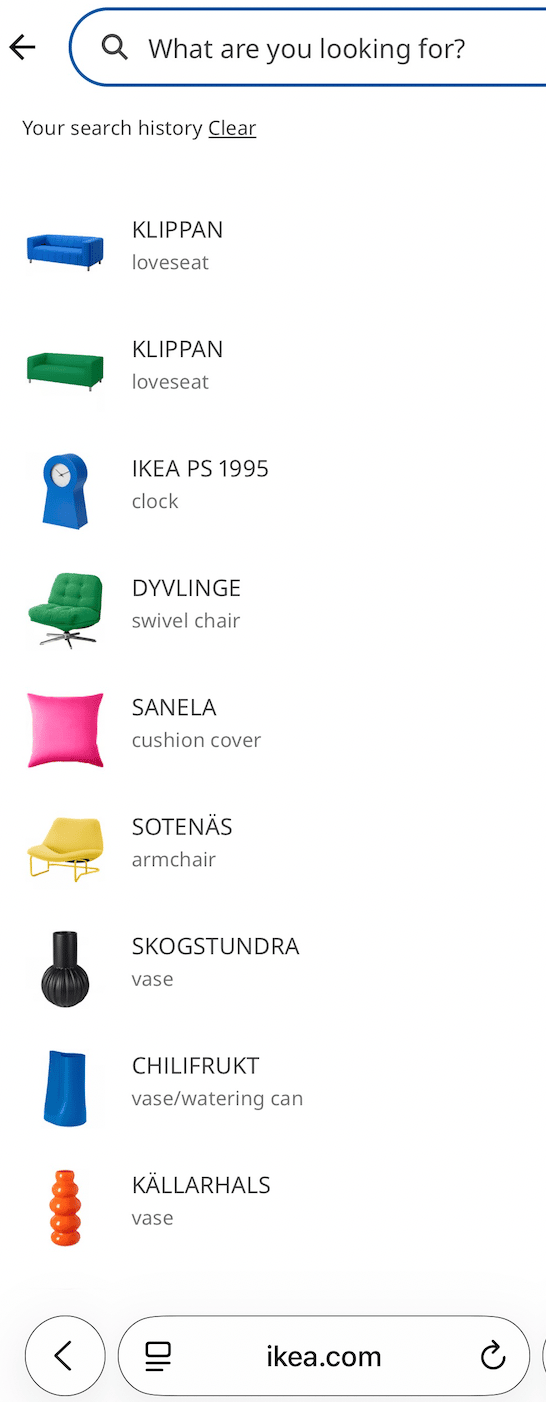
Looking at my search history is like taking a peek into my brain.

Since I can't buy everything Jonathan Adler makes, I take lots of screenshots.
When you return your excess stuff, you send yourself a message: I’m no longer the person who approached spending like that.
You choose to move forward with greater clarity and consciousness.
You recognize your money as a resource you can direct toward what matters most. You don’t let it melt away through purchases you soon regret.
That doesn’t mean you’ll never make another unnecessary purchase. Some degree of waste is part of a financially healthy life.
Returning a handful of purchases might not seem like a major financial accomplishment. But it can be the beginning of something meaningful: a conscious decision to pause, reflect, and step boldly down the path you choose, building a money-strong life in which your money supports what matters most to you.
