
Your Money Doesn’t Give You Value—You Give Your Money Value
Key Takeaways
Money isn’t who you are. It’s a tool you use.
Money is external. Your worth is internal.
Money takes on meaning when you assign it— by reflecting your choices, values, and priorities.
Have you caught yourself thinking, “When I have more money, I’ll finally feel legitimate”?
Or, “I’m glad I’m not rich like those jerks”?
Does money make people better or worse?
In a world that often measures worth by income, image, and possessions, it can feel like your value as a person is tied to your financial status.
But here’s the truth: your money doesn’t give you value. You give your money value.
Money isn’t who you are. It’s a tool you use. And when you shift that perspective, everything about your relationship with money begins to change.
The Self-Worth Confusion
Many of us grow up believing that more money equals more worth. A higher salary, a bigger house, or a more opulent lifestyle are proof that you’ve made it.

"Your sofa says a lot about you."
Others were taught that affluence is the opposite of goodness, that wealth means selfishness, and a lucrative job or new car reveals a moral defect.
But here’s the thing: money is external. Your worth is internal. One is about numbers. The other is about who you are.
When you confuse the two, you set yourself up for disappointment and shame.
Money as a Neutral Tool
I’ve known people who feared gaining money—to the point of purposely limiting their income and avoiding wealth. They believed that possessing more money would compromise their character.
Certainly some of the world’s worst people have had wealth and resources. With more money comes advantages, and we don’t want to lose our moral compass.
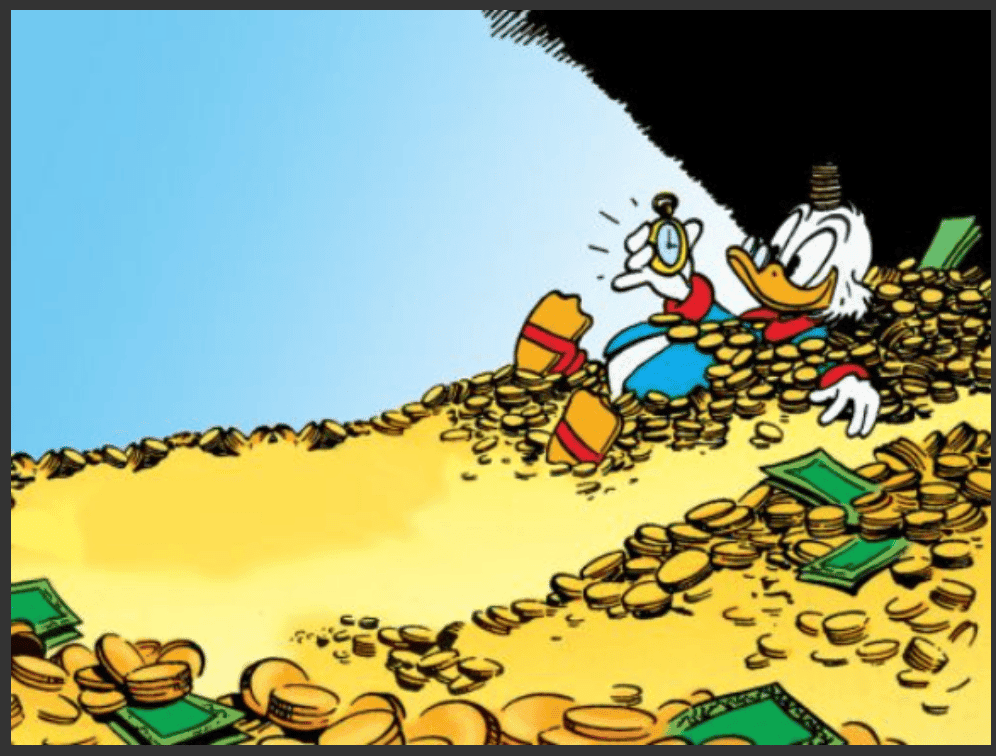
Money-avoiders think they understand the true power of riches. They believe that having less conserves their moral virtue.
But if growing your money doesn’t make you a better person, neither does limiting your money.
The money-avoider might not just respect money’s power for harm— they might also lack respect for money as a positive tool, and the creativity to see its power for good.
So what is money, if not a measure of your value?
Money is simply a tool. Think of money as stored energy, a way to exchange effort and resources.
It’s not good or bad. On its own, it’s neutral.
Just like a hammer can break into a home or repair it, money’s impact depends on how you use it.
Money takes on meaning when you assign it— by reflecting your choices, values, and priorities.
How You Give Money Value
If money doesn’t give you worth, then how do you give money worth? By aligning it with what truly matters to you. For example:
Experiences → Using money to create memories with family and friends.
Security → Saving and investing to reduce stress and create peace of mind.
Generosity → Supporting causes you care about or helping someone in need.
Growth → Investing in education, health, or creative pursuits.
The dollar amounts have no inherent meaning. They create significance by translating money into what matters more than a number.
Real-Life Examples
The cost of not caring enough about money
I worked with a couple who was proud to admit that money wasn’t their greatest care.
They couldn’t put a price tag on spending time with their kids— supporting their extracurriculars, going on vacations together.

My family on vacation a few years ago.
To their credit, they felt easy-to-please, and like “enough” was in view. They weren’t perpetually discontent, preoccupied by how to amass more.
While they hadn’t overvalued money, they also hadn’t noticed how their financial situation was poised to attack what mattered most. A growing consumer debt balance was slowly suffocating their family’s fun and security.
In our financial coaching sessions, they adopted tactics to take care of their money, not for money’s sake, but to maximize their family’s priceless experiences together.
They said, “This matters to us, not because money matters, but because our family matters.”
Signaling wealth is not financial health
I worked with another couple who valued signals of wealth even at the expense of their financial health.
When we first uncovered that they were spending more than they earned, they were reluctant to make changes.
They struggled to consider a more affordable car or cheaper groceries. It felt beneath them.
They equated their luxuries with success itself. To reduce them would mean failure.
In our financial coaching sessions, we worked together to separate their self-worth from their financial situation. They began to see money as neutral—not a reflection of their personal value, but a tool they could direct.
And they started to have fun directing it together. They learned to enjoy and even prefer managing their finances as a means to true financial health, not just external signals of success.
Their transformation wasn’t just financial—it was personal.
The Freedom of This Mindset Shift
When you recognize that your money doesn’t give you value, a new kind of freedom emerges:
Freedom from Shame: You stop defining yourself by your financial ups and downs.
Less Comparison: You’re no longer trapped by what others are doing.
More Empowerment: You feel in control, because you’re the one giving money its meaning.
True Peace: You use money with intention, knowing it reflects your values, not your worth.
This shift is powerful because it puts you back in charge.
The Bottom Line
Money doesn’t define you. It never has.
Your money doesn’t give you value—you give your money value.
When you learn to direct your money toward what matters most, it becomes a tool for joy, security, and purpose.
And when you release the idea that your worth is measured in dollars, you gain the freedom to live fully and confidently, no matter your financial situation.
