
How to Future-Proof Your Finances With Continuous Learning
Key Takeaways
If you want to safeguard your finances, stay curious as an ongoing learner.
The financial landscape is more dynamic than ever.
You don’t need to predict the future. But you do need to stay engaged.
The best way to future-proof your finances isn’t luck or perfection. It's a lifestyle of continuous learning.
If there’s one thing we know about the future, it’s this: things will change.
The job landscape shifts. Tax laws evolve. Technology creates new opportunities. What worked yesterday might not work tomorrow.
That’s why the smartest financial strategy doesn’t assume it’s already smart enough.
People who are strong with money stay curious.
If you want to safeguard your finances, stay curious as an ongoing learner.
Why the Future Requires Adaptability
The financial landscape is more dynamic than ever. Consider a few factors:
Job markets shift. Automation and AI transform industries. Roles shift and new careers emerge.
Laws and rules change. From tax brackets to retirement account rules, updates happen regularly.
Markets move in cycles. Upswings and downturns are part of the process—known and expected phenomena. A little historical education helps you keep perspective and respond wisely.
Your life brings new seasons. You might feel the personal impact of wide-scale trends in inflation, healthcare policy, or the housing market. But no one else shares your unique circumstances, which change along with your life events and income.
Change is unavoidable. Those who adapt thoughtfully will thrive.
So when it comes to your money, adopt the mantra, “I never stop learning about personal finance.”
Wondering where to start? Book a free intro call.
I love guiding people just like you into clearer knowledge about money.
No matter where you’re starting, it always feels good to get more clear.
Education is a component of every one of my coaching sessions, along with financial counseling and practical action.
The Danger of Doing Too Much
You don’t want to be whipped around constantly.
If you chase trends and worry about daily headlines, you end up with a frenetic, high-maintenance money situation— not to mention the wear-and-tear to your mindset.
Your financial health requires you to be steady, stay consistent, and not get too creative.
You get in trouble when you try to make yourself the exception to every best practice and rule of thumb.
That's why the message behind PNC Bank’s “Brilliantly Boring” marketing campaign makes me smile. Their advertisements promote proven habits instead of risky, unconventional moves— like selling your kids’ naming rights.
Why lunge toward wealth-building schemes that work for very few people?
Why not make the moves that work for basically everyone—almost always?
Some of the best financial routines benefit from a “set it and forget it” approach, harnessing the power of automation, tried-and-true principles— and frankly, boringness.
The Threat of Stagnancy
But while your saving and investing systems run quietly in the background, meaningful changes emerge in your financial environment.
Stay aware of how these developments, whether in your life or in the larger financial world, impact your longstanding strategies.
I worked with a woman whose dad was 16 years old when the stock market crashed in 1929. He believed owning stocks was like gambling—you could lose all your money.
Understandably, she inherited her dad’s sentiment from a young age. When she met with her financial advisor to discuss her investments, she asked to avoid stocks. She didn’t want to lose her hard-earned money.
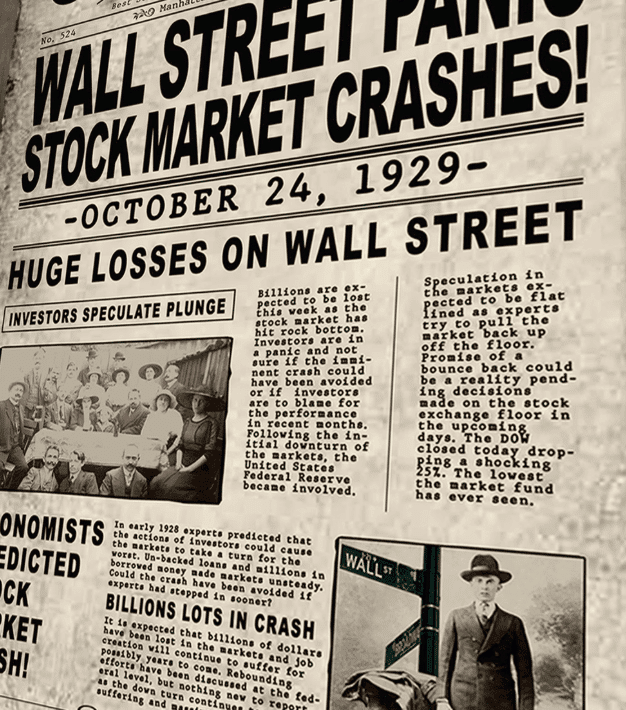
Today she no longer clings to the 97 year-old inherited mantra, "Owning stocks is like gambling."
Instead, she chose to foster her curiosity and independent thinking. Her curiosity led her to new books, podcasts, YouTube videos, and best of all, open-minded conversations.
Today she’s a confident investor. In fact, she loves the stock market!
It wasn’t the education that changed her— it was her willingness to learn.
I worked with a couple with no credit card debt. They used credit cards, but paid off the balance each month before paying interest.
The husband grew accustomed to making the payments when he received a monthly email notification about his bill.
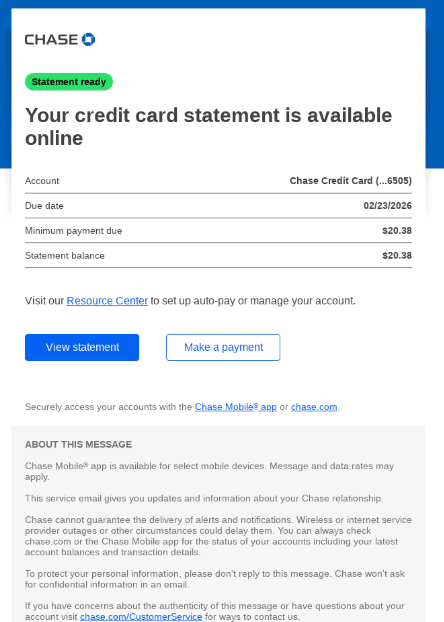
But the payments weren’t automated. This meant he had to remember to check his email.
Which meant he had to stay vigilant— not getting preoccupied by life events like his new baby, a loved one’s health crisis, home repair projects, and building a side business.
He said his method “has always worked,” because the payments were always made.
I agreed this gets the job done— if the aim is just on-time payments.
But money strength is more than paying the bills.
His low-grade, persistent concern fell somewhere on the spectrum of anxiety.
The mental energy required to remember to check his email was the tactic. But was it the best tactic?
I asked, “Is this the best use of your mental energy?”
In the space once taken by, “Remember to check my email to pay the credit card,” could he fit new thoughts that had never occurred to him?
He hadn’t yet considered:
“What percentage of our income should we put toward retirement investments?”
“What amount of savings is enough for our emergency fund?”
“Is our savings earning healthy interest or almost nothing?”
He said, “I never thought of it that way. I’ve been concerning myself with what I knew, while missing out on what I didn’t.”
We had a great conversation about it in our coaching session. He learned about financial opportunities he previously hadn’t even known to exist.
By the end, he felt ready to set up automatic credit card payments for the first time.
He concluded that, for him, automation tools aren’t about giving less thought to his family’s money— but making the very best use of his brain power.
He felt excited to stay just as watchful as ever with the family’s money, but with an upgraded awareness of more sophisticated aspects of financial health— not just paying the bills.
Realizations like this are only made possible by open discussion with real people.
Are you due for a good conversation about money?
Not everyone wants to hear your thoughts and questions.
And those who want to hear don’t always know how to engage with you calmly or productively.
I'd like to be your sounding board! Book a free 30-minute call today.
Continuous Learning as a Financial Superpower
To safeguard your financial health, you don’t need to predict the future. But you do need to stay engaged.
Continuous learning means
More Options. You discover strategies and tools others overlook.
More Confidence. Knowledge reduces fear of the unknown.
More Control. You make proactive choices instead of reactive ones.
Learning isn’t just information. It’s like insurance against missing out.
Practical Ways to Keep Learning
Becoming a life-long student of personal finance doesn’t mean studying textbooks.
It’s about small, consistent actions:
Stay Curious. Read a good library book, subscribe to a podcast, or follow trustworthy voices on social media.
Make sure to follow me on Instagram, like my business on Facebook, subscribe to my Substack, and connect with me on LinkedIn!
Record and Review Regularly. Keep a note on your phone, a Google doc, or a paper journal to jot down your action ideas, benchmarks, and questions.
Get My Guidance. A trustworthy financial coach— like me! — can point you toward what’s helpful and away from what’s not.
Talk About Money. Talk about money with friends and family. You’ll learn more faster through conversation.
When it comes to learning about money, it’s impossible to know everything. You never arrive. You’re never done. Those who are truly money-strong aim for progress, not perfection.
The Bottom Line
You can’t predict the future. But you can prepare for it.
The best way to future-proof your finances isn’t luck or perfection. It's a lifestyle of continuous learning.
Because when you stay curious, you stay strong—no matter what changes come your way.
