
Tradeoffs Made Simple: How to Say Yes Without Regret
Key Takeaways
Tradeoffs aren’t about restriction. They’re about choosing the right yes.
Saying no to one thing today means saying yes to something you value more tomorrow.
Tradeoffs are unavoidable. Every dollar you spend is a choice.
Have you ever felt so excited to buy something you wanted, only to question yourself and feel guilty later?
Maybe it was a dinner out, a new phone, a piece of furniture, or a weekend trip. In the moment, you said yes wholeheartedly. Afterward, you wondered if that “yes” meant saying no to something more important.
Here’s the thing: every money decision involves a tradeoff, whether we like it or not.
But the tradeoffs don’t have to feel confusing or painful. Awareness of tradeoffs isn’t just about saying no. This mindset can help you say yes with confidence.
The Hidden Reality of Tradeoffs
Every dollar you spend (by choice) is a decision that could have been made differently.
When you say yes to this, you say no to that.
When you spend $100 on clothes, you choose not to spend that same $100 on vacation.
If you buy a new car with a $500 monthly payment, you’re saying no to investing that same money each month.
The problem is when we don’t recognize the tradeoffs in the moment.
We swipe the card and move on, only realizing later that our choices don’t match our bigger goals. That’s when guilt creeps in.
Why Tradeoffs Feel So Hard
Tradeoffs can feel uncomfortable for a few reasons:
FOMO (fear of missing out). Saying no feels like you’re missing an opportunity (which you might be!).
Emotional spending. Sometimes we feel an impulse to spend because of stress, boredom, or longing, and it's hard to keep the consequences in view.
Lack of clarity. If you’re not clear on your values, every choice feels equally urgent, which makes decisions overwhelming. Your priorities might be playing tug-of-war with each other.
Saying Yes With Intention
Here’s the mindset shift: tradeoffs aren’t about restriction. They’re about choosing the right yes.
When you make intentional tradeoff decisions:
Saying no to one thing today means saying yes to something you value more tomorrow.
Instead of regret, you feel empowered, because you chose on purpose.
For example:
You might skip a $150 dinner out, not because you “can’t afford it,” but because you’re choosing to say yes to a weekend getaway you’ll enjoy more.
You might delay upgrading your phone, not out of deprivation, but because you’d rather say yes to faster debt payoff.
Intentional tradeoffs create clarity and peace of mind.
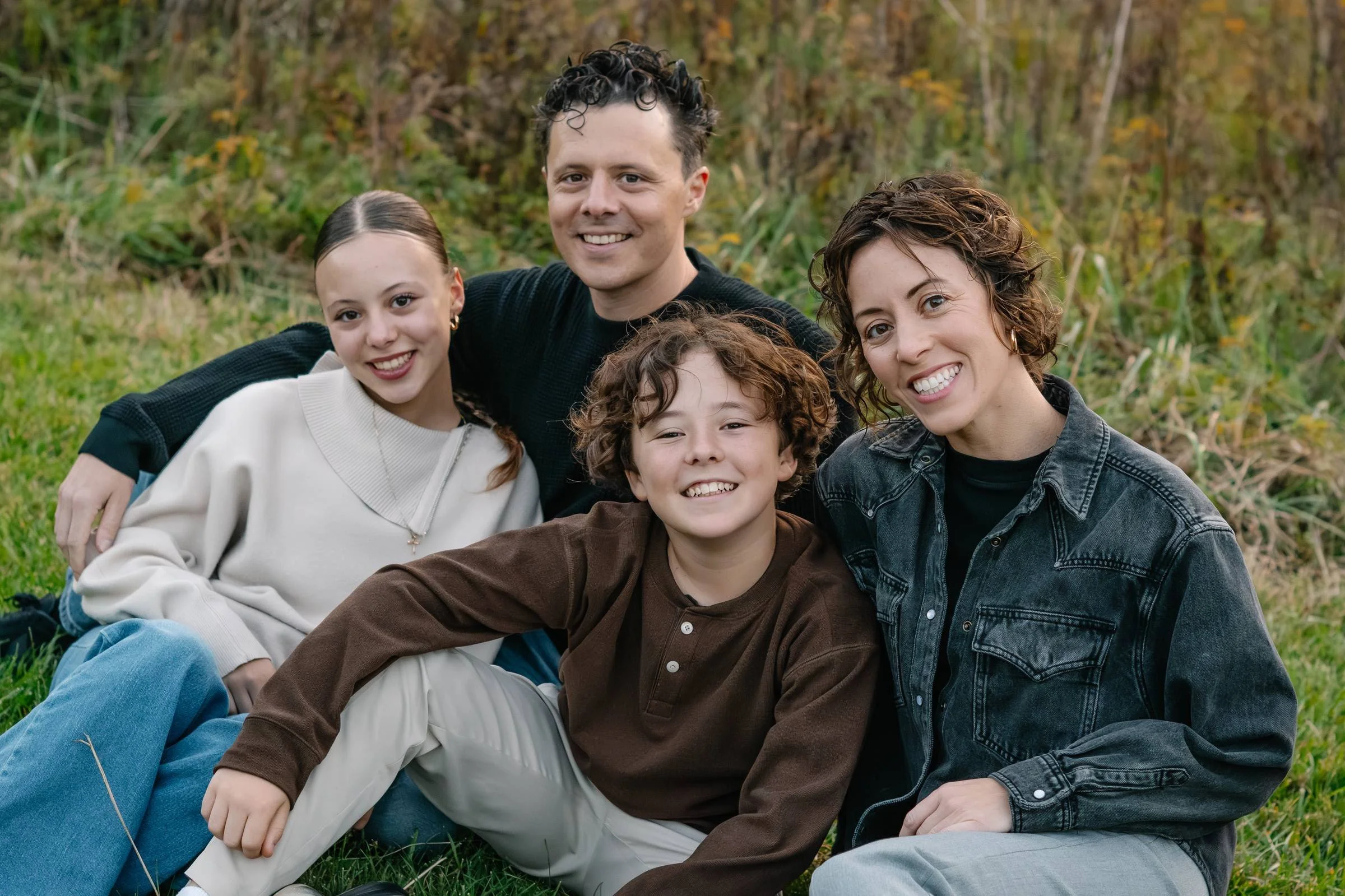
When my husband Nick and I first sat down to look at our spending, we didn’t know what we were going to find. It’s not that we were blind to our spending, but that we had never thought critically and proactively about where we sent our money.
One of the first things we noticed was that we were paying someone to mow the lawn. For the cost of 6 weeks of mowing, we could purchase our own rechargeable battery-powered lawn mower and do it ourselves indefinitely.

That was such an easy spending decision— one that hadn’t even occurred to us until we considered the tradeoffs. 5 years later, the lawn mower is still in use!
How to Make Tradeoffs Simple
How do you make tradeoff decisions without second-guessing yourself? Here’s a simple framework:
Start with your priorities. Identify your top 2–3 money goals right now. Maybe it’s building an emergency fund, traveling more, or paying off debt.
Name the opportunity cost. Ask: “If I say yes to this purchase, what am I saying no to?” Naming it makes the tradeoff clear.
Check alignment. Does this choice reflect your values and goals? If yes, move forward confidently. If not, pause.
Give permission. Once you’ve decided, spend without guilt. You made the tradeoff on purpose.
This framework transforms tradeoffs from a source of anxiety into a tool for empowerment.
Real-Life Tradeoff Examples
In an episode of Money for Couples, Ramit Sethi interviewed a couple, Nicole and Shane, who wanted to save for a future baby, save for future children’s private school tuition, take a pay cut to work less with a baby, invest for retirement, have more than $2 million in retirement, buy a house on the coast, buy a bigger boat, travel regularly, and spend $600 per month on clothes.
After just a couple minutes of conversation, they rearranged their priorities. They saw how it would be hard to hold all of these aims at once, at least at their current income.
They quickly sent the goal of home ownership to the bottom of the list. They realized they could enjoy flexibility while not owning a home.
This realignment brought a very concrete practical change: Nicole agreed that she should stop sending Shane links to attractive houses for sale on Zillow!
While it was fun to look, it sent the wrong message both to herself and Shane about where their priorities lay.
Let’s look at some other common scenarios.
Debt vs. Investing
You have $500 extra this month. Do you put it toward debt or invest it?
Saying yes to debt payoff saves you interest and speeds up freedom.
Saying yes to investing grows long-term wealth.
New Car vs. Keep the Old One
You’re tempted by a beautiful new car with a $700 monthly payment. But keeping your old car would free up that money.
Saying yes to the new car means saying no to $700/ month toward savings or debt.
Saying yes to keeping your old car means saying no to the replacement—but yes to financial progress.
Fun Today vs. Security Tomorrow
You want to splurge on an $8,000 vacation. But you also want to grow your emergency fund.

Saying yes to the trip means delaying the financial safety and peace of mind.
Saying yes to savings now means saying no to travel today.
The key isn’t that one option is always better. It’s that you’re choosing consciously—so whatever you say yes to, you can enjoy without regret.
The Bottom Line
Tradeoffs are unavoidable. Every dollar you spend is a choice.
But when you approach tradeoffs with intention, you can make these choices with confidence.
Instead of asking, “What am I giving up?” you ask, “What am I embracing?”
