
Key Takeaways
Transportation is indeed expensive. It’s one of the spending areas I call the “big three,” because so much of our money goes toward it.
Transportation is crucial, like housing and food.
When evaluating the tradeoffs, it’s not quite fair to compare buying a car to saving, investing, or spending that same amount of money, because it’s unrealistic to imagine living without transportation costs.
The ultimate goal of saving is spending.
In the winter of 2012, two weeks before our first child was born, I bought my uncle’s 2004 Toyota Sienna minivan for $7,500.
Over the years that followed, I prayed that it would keep running as long as possible. I wanted it to last forever.
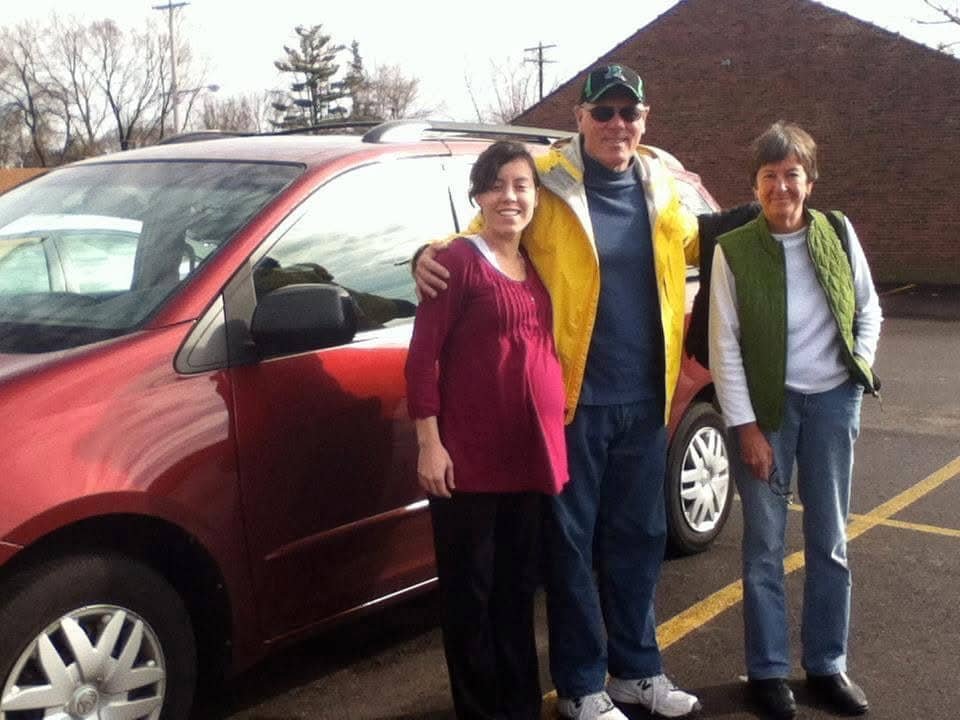
For one thing, it was a practical car. But I also dreaded having to spend money on its replacement.
When Money Felt Scary
As a young mom, I felt in the dark about money. I didn't like the idea of having to buy our next vehicle. I didn’t feel safe parting with a relatively large amount of money. I felt confused about personal finance in general and about my own financial situation in particular.
My conscience was also troubled by the prospect of making any big money decisions. At that time, I associated money with greed and selfishness. If I made a large purchase, did that make me a consumerist?
My avoidance and fear kept me stuck in confusion and shame. Money is emotional, as Rahkim Sabree discusses in Overcoming Financial Trauma:
Psychologically you may demonstrate avoidant behaviors related to your finances such as not checking your bank account or credit score, not asking for fee refunds, and not opening mail. This could contribute to feelings of shame or guilt as financial failures are often internalized as personal failures (12-13).
Saying Goodbye to Our 22 Year-Old Van
To some extent, my prayer for the Sienna’s longevity was a symptom of my money avoidance.
Nevertheless, my prayers were answered: the minivan lived over 22 years!

In 2026, I finally had to say goodbye. There was too much rust underneath to attempt all the needed repairs, but it never stopped running. I drove it all the way to the scrapyard!
The Moment I’ve Been Dreading
The days (and late nights) have finally arrived when I’m preoccupied by the question of what vehicle to buy next. I’m staring at my options in every parking lot. I can’t stop scouring the internet for ideas.
I feel overwhelmed! It feels disorienting to see a used car priced higher than a new one. For example, I found a 2024 Prius XLE that costs $33,355 and a 2026 that costs $33,290.


My first reaction: Cars are too expensive!
Transportation is indeed expensive. It’s one of the spending areas I call the “big three,” because so much of our money goes toward it— not just a vehicle’s sale price or monthly payment, but also insurance, parking, registration, fuel, and the increased cost of a house with a garage.
An Essential Expense
Seeing all the large numbers made it hard to enjoy car shopping. I felt tempted to revert to old money fears I haven’t felt in recent years.
Then during one of my midnight research sessions, I encountered some helpful insights in an online forum: Transportation is crucial, like housing and food. We will always have housing, food, and transportation costs. When evaluating the tradeoffs, it’s not quite fair to compare buying a car to saving, investing, or spending that same amount of money, because it’s unrealistic to imagine living without transportation costs.
I don’t complain about my need to eat. I don’t fantasize about all the stuff I’d rather do with the money I have to spend on food. At times, perhaps I’ve bemoaned the cost of groceries— but for the most part, it’s a regular expense I’ve made peace with. It comes with the territory of life.
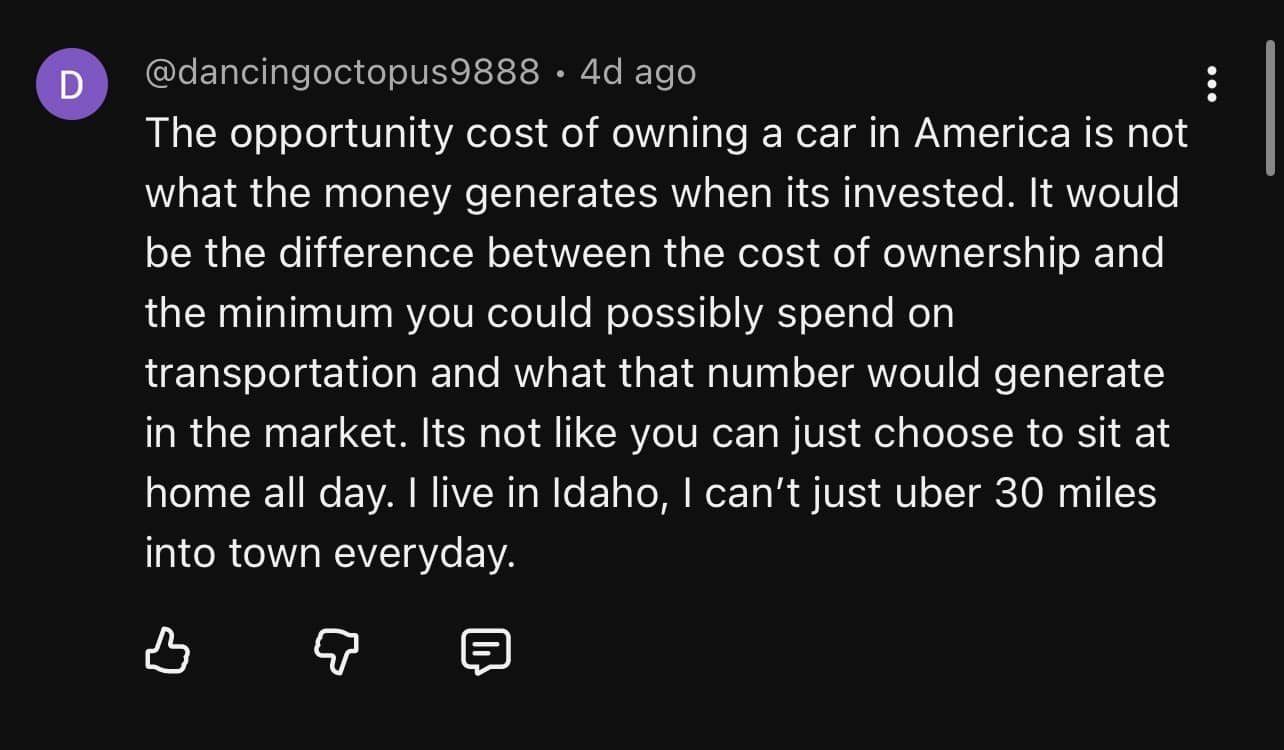
I don’t have to be a car person, or love car shopping, or enjoy spending large amounts of money. But it would help if I accepted the fact that transportation is both valuable and expensive.
Financial Boundaries
Rahkim Sabree says, “Financial boundaries are personal guidelines you can establish to manage your financial interactions with yourself and others. These boundaries dictate how you spend, save, lend, and discuss money, ensuring that your financial decisions reflect your values and priorities” (Overcoming Financial Trauma, 139-140).
One of the money boundaries my husband and I have is that we pay cash for cars rather than finance them. This is not an inflexible boundary or a rule I impose on others, but a personal guideline we’ve embraced.
We Save to Spend
We have money saved for a car purchase. What’s the ultimate goal of saving? It’s spending.
I tell clients that spending is like a muscle. We don’t want our muscles to atrophy. We have to keep doing it, and do it with strength!
Now, in my personal life, I’m giving myself some financial counseling. Instead of viewing this car purchase as a negative, I’m working to remember that money is a tool I use to strengthen what matters most to me— and this perspective requires effort!
If you could use someone to help sorting through your money worries, please take a minute to book a free 30-minute call!
Helpful Car-Buying Resources
Are you thinking of buying car? Check out these resources that have helped me:
Ramit Sethi warns against common car-buying traps.
Money Guy offers car-buying guidance.
Car Care Nut shares wisdom from the vantage point of an experienced mechanic.
Jeremy Schneider of Personal Finance Club lays out how to avoid financing and pay cash for cars.
