
The First Behavior of Budgeting: Observe Your Money
Key Takeaways
Before you can track your money, you have to see it.
Learning to observe your money is a brave and crucial shift toward growing money-strong.
Observation is about awareness, not complexity.
When I hear people throw out the word “budget,” I often wonder if we’re talking past each other.
What exactly does budgeting mean?
If we don’t really know what we mean by “budgeting,” we can’t communicate about it, let alone do it.
I see budgeting as three behaviors layered on top of each other. That’s why I created the Observe-Track-Direct framework to define what I mean by “budgeting.”
Instead of trying to master budgeting all at once, this approach grows three skills one at a time:
Together, these behaviors form a complete approach to budgeting.
Before you can control your money, you have to get comfortable simply looking at it.
That’s why this is the first component of budgeting: observe.
Why Observation Comes First
When people tell me they struggle with budgeting, I don’t ask them to create a detailed plan.
Instead, I start with a much simpler question:
When was the last time you looked at your accounts?
For many couples and individuals, honest answers often include:
We’re unclear on what accounts we even own
One of us looks; the other doesn’t know how
We feel fuzzy on how to view our accounts
We aren’t sure about the types of the accounts we have
We haven’t looked at our accounts in a while
And there are any number of reasons.
Sometimes life is busy, and finances fall off the radar.
But often there’s something deeper—an uneasy feeling about what they might see.
When I first started learning about personal finance at age 39, the idea of budgeting sounded terrible.
I had stumbled on personal finance podcasts, books, and YouTube videos. I had a million questions.
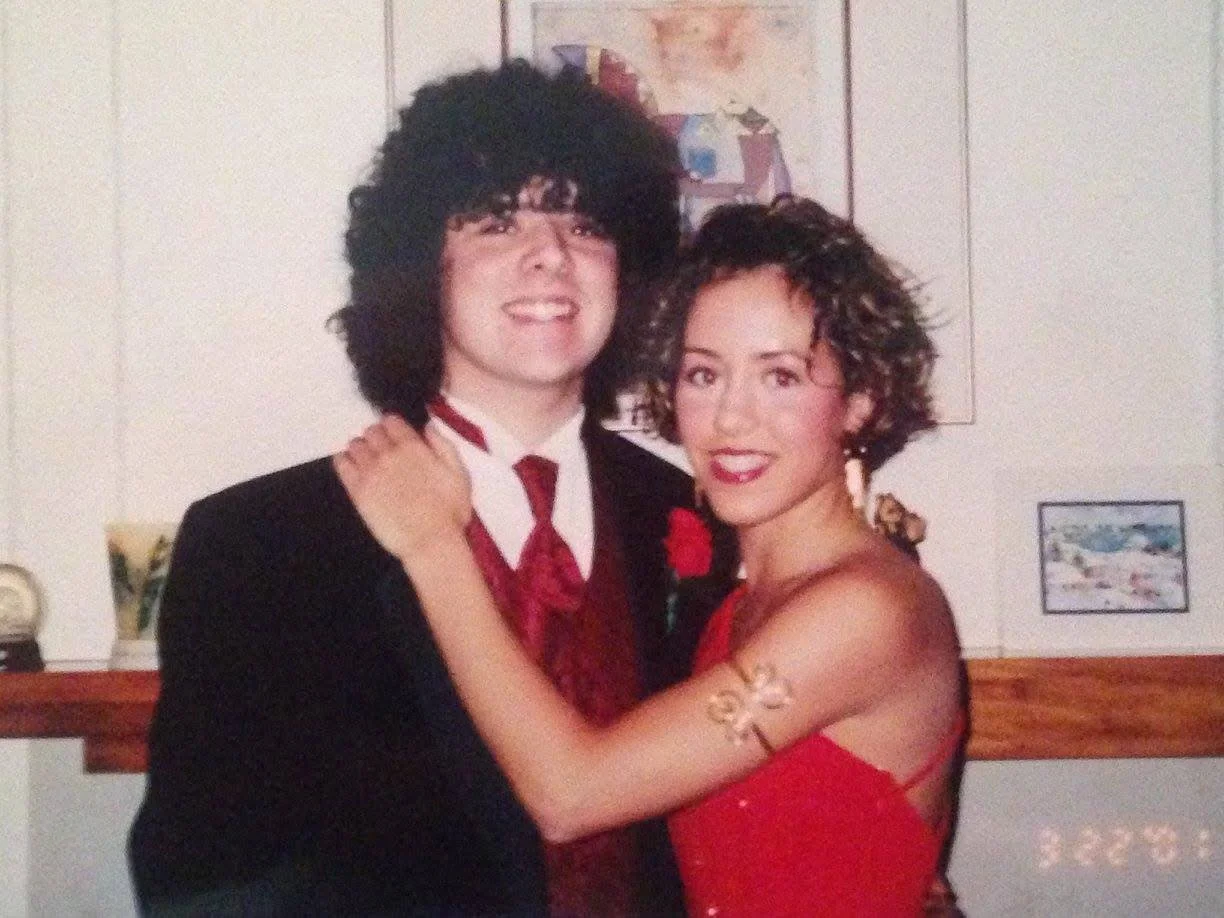
My prom date Nick and me in high school, 20 years before we started budgeting together.
Worries ran through my mind:
How do I figure out what accounts we have, where the passwords are, and what the accounts even mean?
Will this process create awkward conversations?
What if we exert effort to understand our money, then we don’t like what we learn?
If you’ve ever felt hesitant to look closely at your finances, you’re not alone.
Learning to observe your money is a brave and crucial shift toward growing money-strong.
What “Observe” Really Means
In the Observe–Track–Direct budgeting method, observing is exactly what it sounds like.
You simply look at what your money is doing.
At this stage, you’re not trying to fix anything. You’re not analyzing every detail. You’re just becoming familiar with your financial picture.
When you’re in the “observe” phase, it helps to think about the transactions you see in two basic categories:
Income – money that comes in
Expenses – money that goes out
Two simple categories.
What money comes in?
What money goes out?
Observation is about awareness, not complexity.
Real-life Impact
Until I was 39 years old, I felt out of the loop with my household’s finances. My husband kept an eye on the checking account and knew the password.
But I didn’t. I remember (very) occasionally wondering what it looked like, asking him the password a couple times over the years. I said, “I don’t know why I can never remember that password.”
Now I realize I “couldn’t” remember because part of me didn’t want to. I feared awareness. Even if I saw my account, I wouldn’t know how to make sense of it.
One night in 2021, my husband and I sat down to uncover our complete list of accounts.
In the moment, the task felt mundane and irritating— not earth-shattering.
But our work together that night initiated a new, upgraded era in our relationship with each other and with money.
It proved truly life-changing.
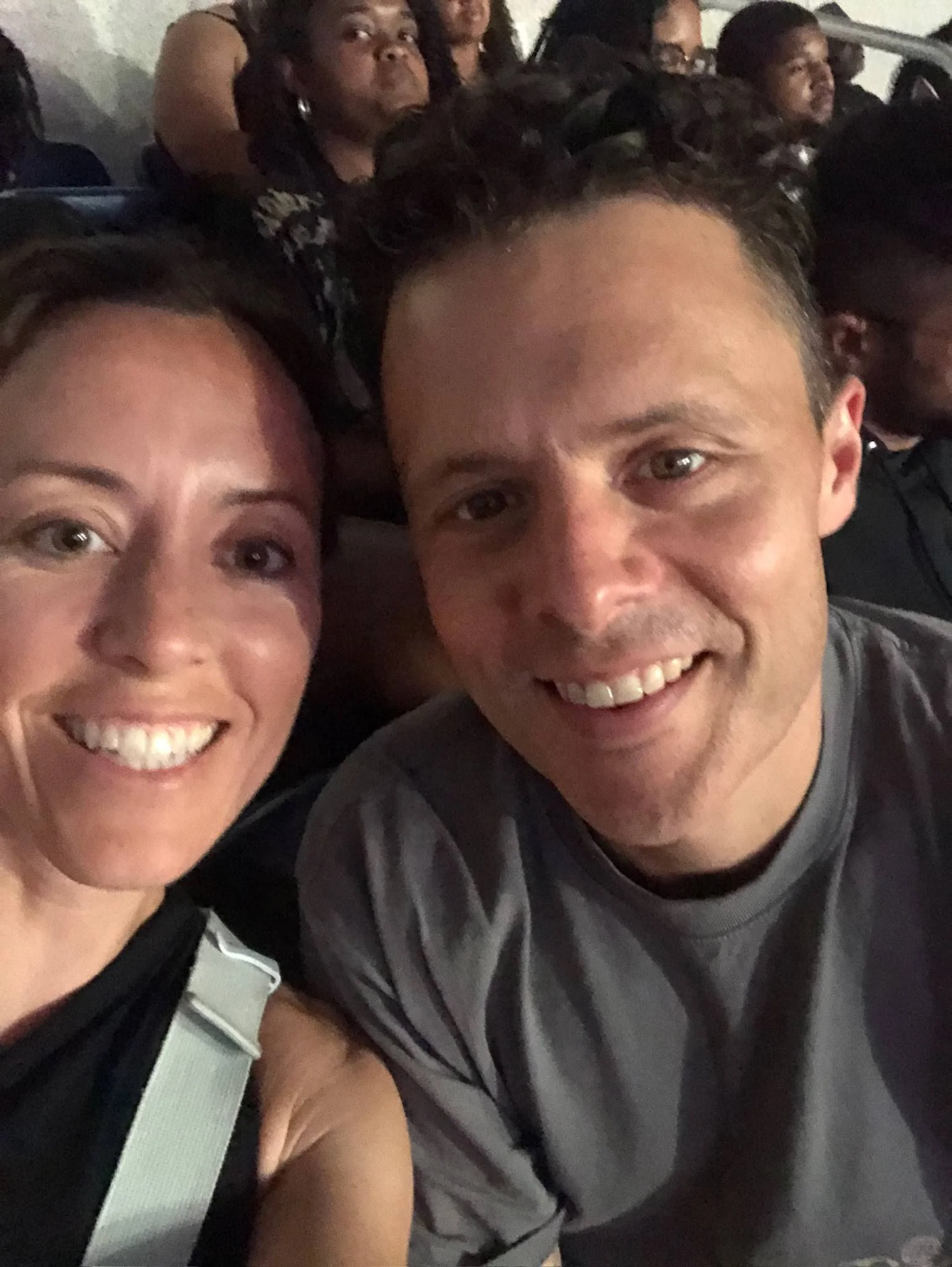
My husband Nick and me at Beyoncé's Renaissance World Tour, two years after we started budgeting.
I’ll never forget the hope I felt as I began to see and understand my money for the first time.
Once I had a taste of clarity, I never wanted to go back to confusion. It felt incredible.
I love sharing understanding with others because I know it leads to hope.
That’s why I love ushering others into that same understanding.
Practical Ways to Start Observing
Plenty of people have already familiarized themselves with their accounts. If you already look at your accounts regularly, you might already be able to check this first phase off your list.
For those who already practice observation—if your spouse hasn’t yet grown comfortable observing, don’t jump yet to phase two. Your household still needs to work on phase one until you both feel comfort and awareness.
If observing your money is a new habit, here are a few simple ways to begin.
1. Figure out where your accounts live
Make a list of your financial accounts.
These might include:
checking
savings
credit cards
retirement
investments
loans
Visit the websites or download the apps connected to each account. Create and record your usernames and passwords so you can access them easily.
This is where observation requires more effort than you might think. If you share finances with a spouse, carve out a time slot to tackle this together.
It might mean digging up an old piece of mail, checking your credit report— always and only using annualcreditreport.com, or fielding an onslaught of verification codes.
Here the goal is just identifying and accessing your accounts.
Couples: Stay patient with each other! It’s not you two against each other. It’s you two as a team, accomplishing this task together.
Take a break as needed. Push through until you have a complete list of your household’s accounts— and access to them.
Don’t stop short of your goal. If you don’t uncover all of the accounts your household owns, you can’t fully practice the “observe” phase.
This step alone often gives people a sense of clarity they didn’t have before.
2. Log in regularly
Some people haven’t turned a blind eye to their accounts. They observe too much.
If you open the same account multiple times a day, or if it’s almost a nervous tick to open the app for no particular reason, that’s a symptom of too much observation and not enough of the next two habits of budgeting.
If that’s you— it’s crucial to dive into phase 2 and 3 of budgeting.
If your accounts have been too out-of-sight, out-of-mind, you can change that for good by making the shift one step at a time, not trying to do too much at once.
Observation becomes less scary when you do it more often.
After you’ve identified and accessed your accounts, try logging in more than just that once. Not multiple times a day, but multiple times a month. Set a reminder to log in again, maybe once or twice a week.
You don’t need to analyze everything. Don’t ruminate on it all.
Just take a quick look.
What deposits came in?
What expenses went out?
Does anything surprise you?
Looking at a credit card account, you can ask:
Do we pay the minimum payment each month, more than the minimum, or the entire balance?
What charges go out?
Have we accrued points or cashback we need to redeem?
Looking at a checking account, you can ask:
Are fees charged? (If so, be sure to switch to a fee-free checking account!)
What direct deposits come in?
What charges come out?
Looking at an investment account, you can ask:
What contributions come in?
What kind of investments comprise the account?
Are fees being charged?
How much is invested and how much is uninvested?
Looking at a savings account, you can ask:
When do interest payments come in, and what’s the interest rate?
Are withdrawals ever made?
How does the balance change over time?
Are fees charged? (If your savings account has fees or a minimum balance requirement, make a note to switch to one without fees or minimums!)
Over time, your finances will start to feel much more familiar.
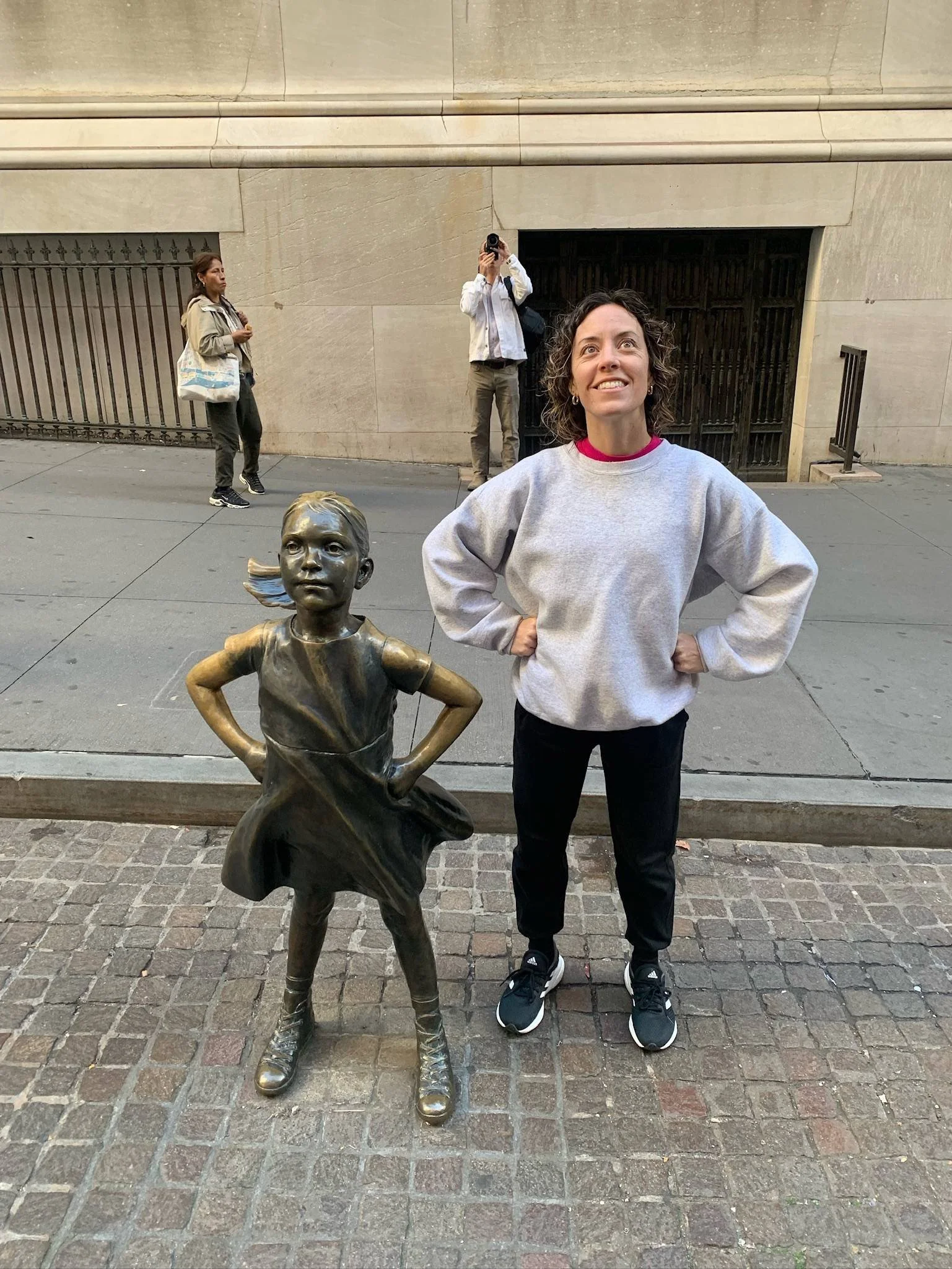
The three habits of budgeting allowed me to overcome my money avoidance.
3. Write down questions
As you observe your accounts, questions will naturally arise.
Maybe you’ll see an expense you don’t recognize.
Maybe you’ll notice a subscription you forgot about.
Maybe you’ll realize you’re not sure what one of your accounts is for.
That’s completely normal! The observation phase usually brings more questions than answers.
Before you get too overwhelmed, remember this doesn’t mean that observing was a bad idea. It actually means the observation is producing its intended result: awareness.
Write down your questions as you observe. They can guide your next steps as you continue learning about your finances.
To articulate these unanswered questions, you have to take a learning posture.
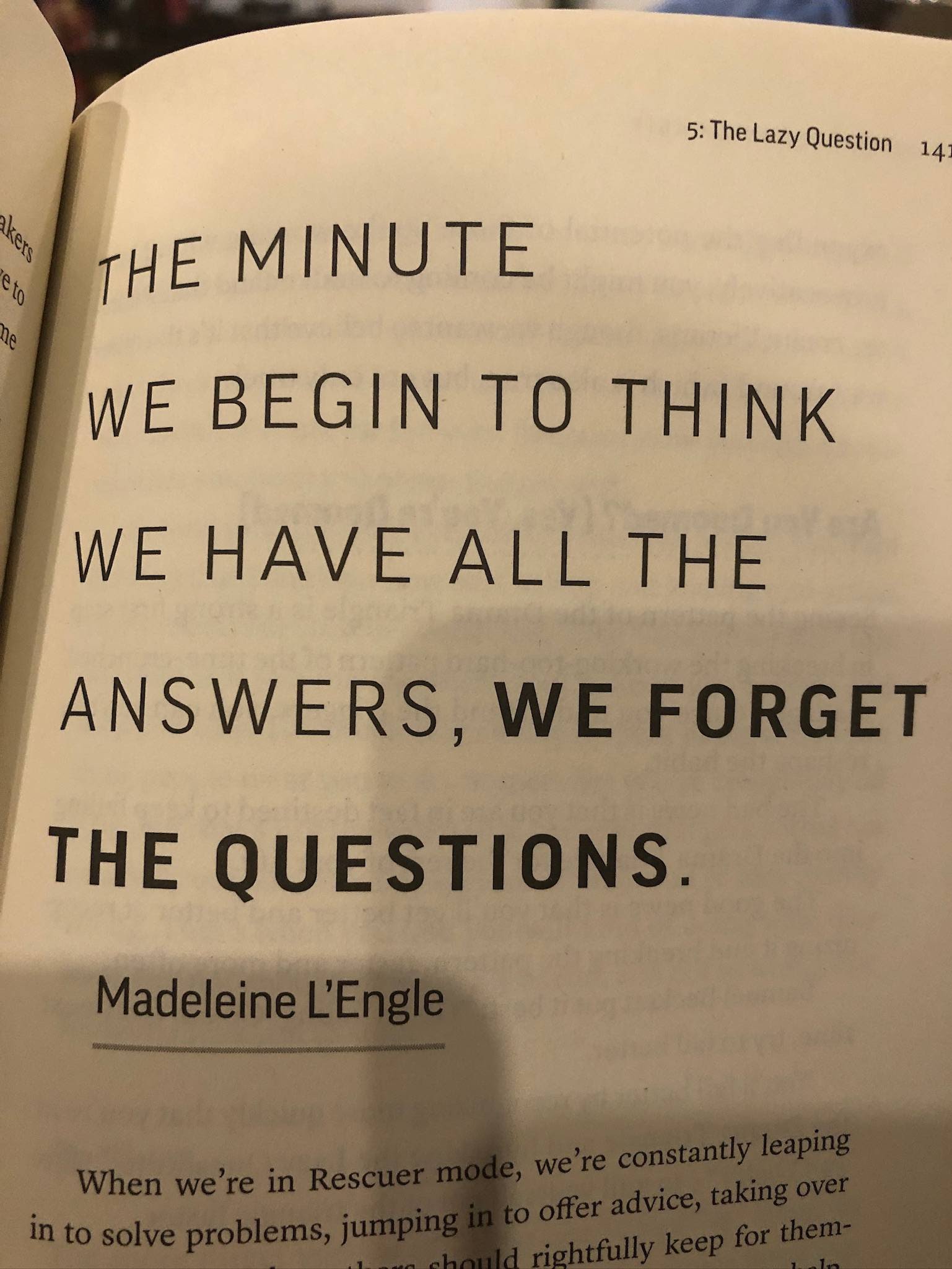
"The minute we begin to think we have all the answers, we forget the questions." -Madeleine L'Engle
Some people feel uneasy embracing curiosity. It means accepting that you don’t have an easy answer.
Maybe you jump to propose solutions in order to bypass the discomfort of not knowing what to do.
Resist the urge to cling too tightly to an idea that comes as a knee-jerk reaction. Sometimes the right next action idea emerges from sitting a little longer with curiosity.
Why Observation Builds Confidence
Simply observing your money might seem too simple to matter.
But observation does something powerful.
It replaces avoidance with awareness.
In a marriage, it allows both partners to share the same vantage point.
The more familiar you become with your financial landscape, the less intimidating it feels.
What once seemed mysterious or overwhelming becomes clearer.
You might not like or understand what you see.
But looking at the problems often still feels better than imagining them!
A Step Toward Money Strength
Observation may not feel like budgeting in the traditional sense.
But it’s the foundation that makes everything else possible.
Before you can track your money, you have to see it.
Before you can direct your money, you have to understand it.
Observation is the moment when you begin stepping into your finances with curiosity instead of fear.
And that simple shift empowers you to grow money-strong.
