

The Overlooked Key to Debt Payoff
Personal finance nerds debate endlessly about which tactics to use to pay off debt.
Should you prioritize building up your savings first— or keep your savings low while you throw as much as possible toward debt?
Should you focus on paying off your original loan— or switch loans to get a lower interest rate?
Should you refinance? Consolidate? Use a balance transfer?
There are good arguments to be made for many of these strategies. But sometimes we can become so focused on choosing the right tactic that we overlook the thing that matters most:
How fast are you actually paying off the debt?

Can Budgeting Happen By Accident?
In the fall of 2011, I was, like Beyoncé, expecting my first child— a daughter.
I planned to stop working full-time after the baby was born. Even I could admit it was a good time to seek guidance about money, despite my distaste for the topic.
When my husband and I met with someone for money advice, the expert reviewed our spending.
He said, “You guys are fine. You basically practice intuitive budgeting.”
I interpreted this as validation of my avoid-numbers-and-stay-uninformed approach. “Intuitive budgeting” became my official excuse not to learn more.

Tradeoffs Made Simple: How to Say Yes Without Regret
Have you ever felt so excited to buy something you wanted, only to question yourself and feel guilty later?
Maybe it was a dinner out, a new phone, a piece of furniture, or a weekend trip. In the moment, you said yes wholeheartedly. Afterward, you wondered if that “yes” meant saying no to something more important.
Here’s the thing: every money decision involves a tradeoff, whether we like it or not.
But the tradeoffs don’t have to feel confusing or painful. Awareness of tradeoffs isn’t just about saying no. This mindset can help you say yes with confidence.

The Third and Final Behavior of Budgeting: Direct Your Money
When you think of improving your finances, many of you think: budgeting.
But strengthening your financial life is so much more than budgeting.
When you think of budgeting, many of you think, “I could never do that. Sounds like too much work!”
But we can break budgeting down into 3 distinct, doable habits.
Budgeting is not the most exciting aspect of growing money-strong. It’s also not the best starting point for everyone.
Some say they tried budgeting and it didn’t work. I have to wonder: was “budgeting” to blame, or was your concept of budgeting inadequate?
What someone calls “budgeting” differs completely from another’s understanding.
That’s why I like to give “budgeting” a thorough definition—specific enough to make an impact, while allowing flexibility and creativity in practice.
It’s a framework that’s useful for diverse, real-life humans— even those who never imagined they could get into budgeting!
In my Observe–Track–Direct framework, budgeting stems from three simple actions:
Observe – look at what your money is doing
Track – record your income and expenses
Direct – send your money where you want it to go
Observation creates awareness.
Tracking creates understanding.
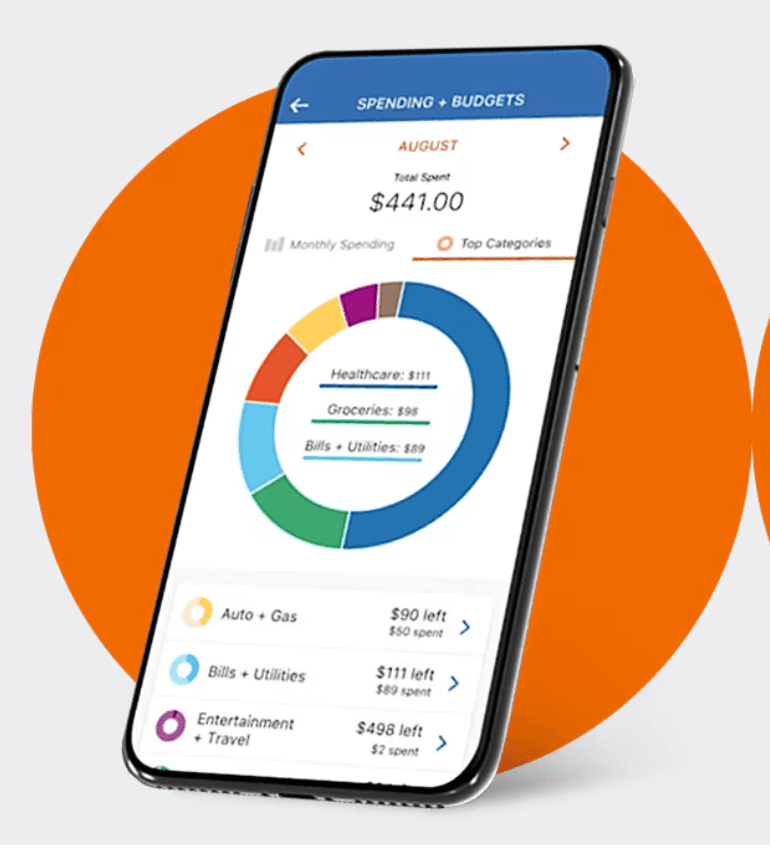
Once those skills feel comfortable, you’re ready for the final phase: directing your money.
The Second Behavior of Budgeting: Track Your Money
Some people who say they keep a budget don't actually do what I consider real budgeting.
Sometimes they think they're budgeting because they keep a list or spreadsheet.
In my view, keeping a record of certain key numbers can be powerful, but only if joined with the other two essential habits of budgeting.
In my Observe–Track–Direct budgeting framework, budgeting stems from three simple behaviors:
Observe – look at what your money is doing
Track – record what you see
Direct – intentionally plan where your money will go
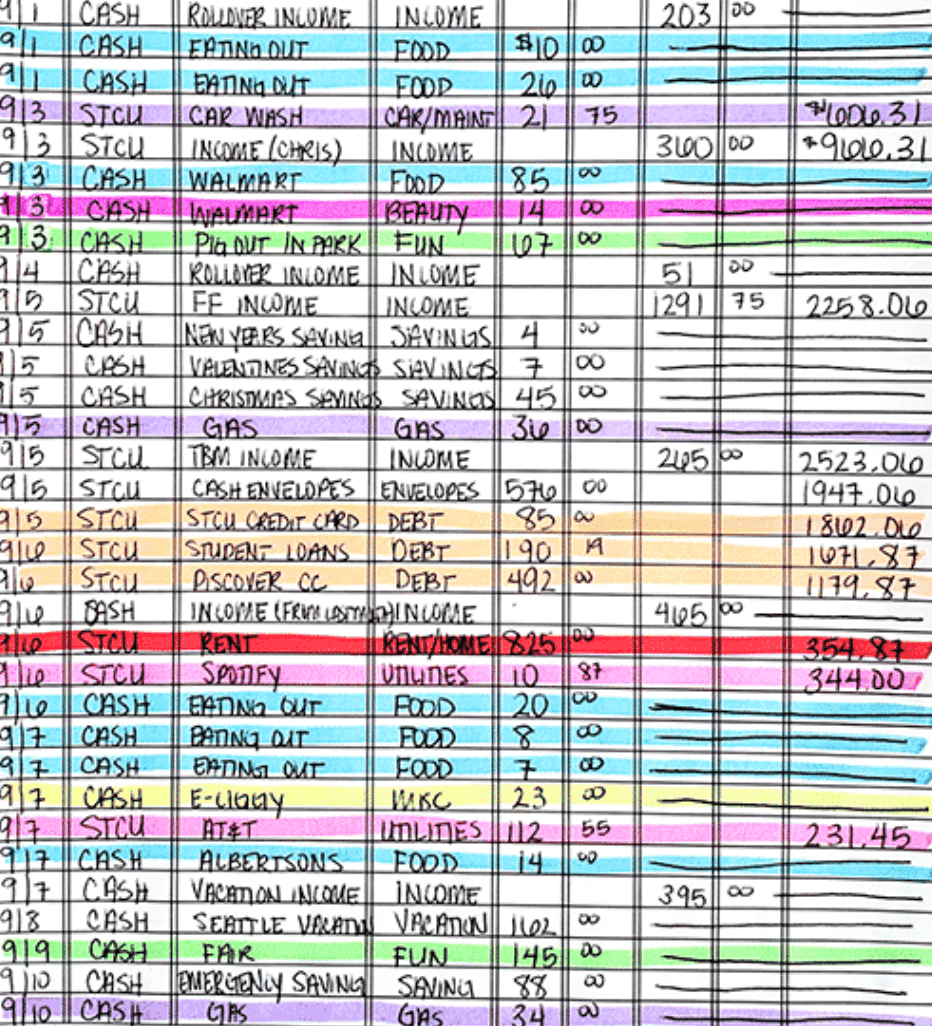
Once observing becomes a regular habit, you’re ready for the next step: tracking your money.
The First Behavior of Budgeting: Observe Your Money
When I hear people throw out the word “budget,” I often wonder if we’re talking past each other.
What exactly does budgeting mean?
If we don’t really know what we mean by “budgeting,” we can’t communicate about it, let alone do it.
I see budgeting as three behaviors layered on top of each other. That’s why I created the Observe-Track-Direct framework to define what I mean by “budgeting.”
Instead of trying to master budgeting all at once, this approach grows three skills one at a time:
Observe
Track
Direct
Together, these behaviors form a complete approach to budgeting.
Before you can control your money, you have to get comfortable simply looking at it.
That’s why this is the first component of budgeting: observe.
Budgeting Isn’t What You Think It Is
For many people, the word budget has a bad reputation.
Do you like the word?
Maybe you imagine someone hunched over a calculator, stressing over a spreadsheet. Maybe you picture strict rules, constant restraint, and saying “no” to things you enjoy.
For a lot of people, budgeting sounds like a lifestyle of restriction, deprivation, and limitation.
If that’s what budgeting really were, it would make perfect sense to avoid it.
Many budgeting approaches jump straight to control.
Real humans are the ones implementing these methods. So budgeting strategies must take human nature into consideration!

Seeing Your Money from Two Vantage Points: Why You Need Both and How They Differ
You want to get a better handle on your money, but you’re overwhelmed by all the moving parts:
Is an HSA the same as an FSA?
Should you check your credit score every day?
Are your student loans subsidized or unsubsidized?
Is the 0% credit card balance transfer actually free?
How can you keep everything straight? How do you know if you’re doing it right?

Every Dollar Gets a Job: The Simple Rule That Transforms Spending
Imagine if your money worked as hard for you as you work to earn it.
For many people, the reality is the opposite. Paychecks come in, bills get paid, and the rest seems to disappear. By the end of the month, you’re left wondering: Where did it all go?
Here’s the truth: your money will wander off aimlessly if you don’t give it clear instructions.
The antidote is simple—but life-changing: give every dollar a job.
This one rule can transform the way you spend, save, and even how you feel about money.

The Budget Myth: Why It’s Not About Restrictions, but Permission
When you hear the word “budget,” what comes to mind?
For many people, it’s restriction. Sacrifice. No fun. A diet for your money.
No wonder budgets get a bad reputation. Who wants to feel deprived?