
Why Time in the Market Beats Timing the Market
Key Takeaways
No one can consistently predict when stocks will rise and fall in value.
Timing the market fails more often than it works.
Staying invested through the ups and downs works better.
The goal is not to outwit market dips, but to outlast them.
Some people look at the frenetic ups and downs of the stock market and see danger. Others see opportunity.
If I’d purchased that stock yesterday, I’d be up today.
You can’t predict the future. If you could, you’d be the richest person in the world already. Right?
But when you hear, “You can’t predict the future, but if you could…” some of you hear a tempting invitation.
The problem is that no one can consistently predict when stocks will rise and fall in value.
That’s why one of the most powerful investing principles is this: time in the market beats timing the market.
The Temptation of Market Timing
“Timing the market” is a strategy that tries to predict the future in order to buy assets before they rise in value and sell them before their value falls.
It’s easy to see why timing the market is tempting.
The idea is simple: avoid losses, capture gains.
But the reality is that the market moves in mysterious ways. Even experts with teams of analysts and mountains of data get it wrong. Waiting for the right time often means missing out.
Nuance and Simplicity
I could add so many important caveats and warnings when I talk about investing. As a financial counselor, I’m not licensed to sell investment advice. I’m addressing investing as a broad idea. This is not personal advice.
But education about the basics of investing is more widely available than ever, and something I love sharing.
What I offer can even be better and more financially powerful than what some get from licensed advisors. Not all licensed advisors empower their clients with real understanding.
I love watching my clients gain a confident grasp of the key areas of personal finance, a gift that impacts their lives far beyond our time together.
Many are delighted to realize how little technical knowledge they need. You might be surprised to find out how learnable the basics of investing really are.
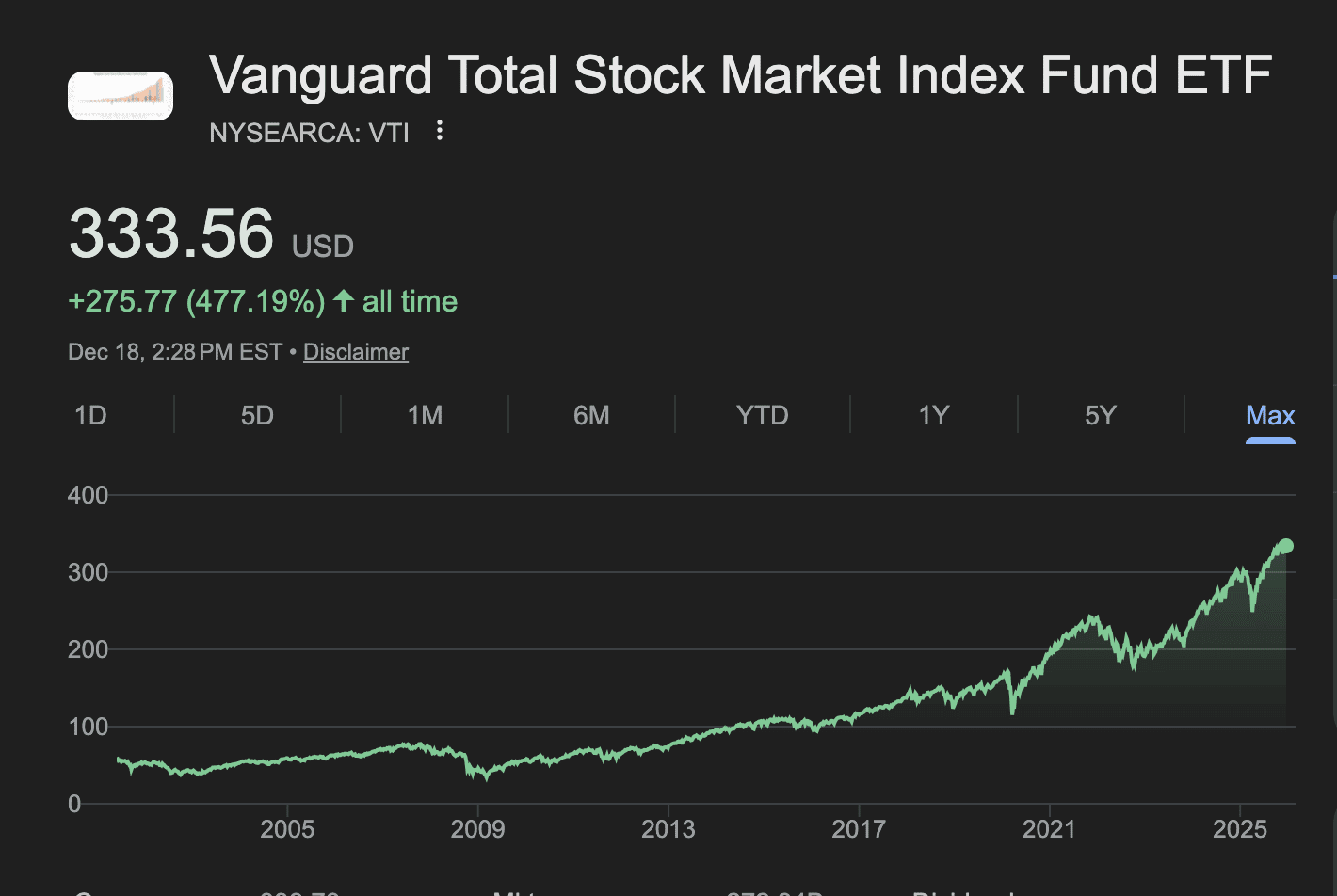
Why Market Timing Rarely Works
Why does timing the market fail more often than it works?
You don’t know the future
Short-term market movements are driven by countless factors like economic news, global events, and investor emotions. No one can call it consistently.
You miss the best days
Some of the biggest market gains happen during periods of volatility. If you happen to be sitting on the sidelines on those days, you miss out.
You let emotions take the wheel
Fear and greed can drive poor decision-making.
Timing the market might fit our feelings— but it’s costly more often than the alternative.
Why Time in the Market Wins
So, what works instead?
Staying invested through the ups and downs. This strategy is often called “buy and hold.” I like to think of buy-and-hold investing as
set it and forget it
autopilot
investing like a robot would
easy enough for a monkey to do
Here’s why buy-and-hold works better:
Markets are more likely to trend upward over a longer time frame
If a market has historically grown over time, despite dips, the investors who bought and held will have more than they started with. Staying invested over time lets you capture the overall growth throughout a period of history rather than get caught in the little ups and downs.
Compounding needs time
When people invest, their money earns returns. Then those returns earn more returns. But this compounding effect needs a long time frame to work its magic.
You buy at a wide variety of prices
Investing steadily, month after month, means you buy when prices are high and low and everything in between. Over time, this variety can even things out.
Patience, not prediction, is the secret. The goal is not to outwit market dips, but to outlast them.
Learn to Spot Market Timing
You can train your ear to hear the language of market timing in yourself and others. Here’s what market timing sounds like:
“My investments have done so well in the last 6 months; if I take it all out now, I’ll lock in the win.”
“Sometimes when I hear the news, I log in to my retirement account and get out of my investments for a week or two, until the headlines look better.”
“Some people actually know how to time the market well. I know someone who bought a stock before it grew 10x.”
“I want to invest at some point, but now doesn’t seem like the right time to start, considering what I’m hearing about the economy.”
“You can’t navigate your own investments. You need me, your financial advisor, to manage them. I’m an expert. Others don’t know what I know. In fact, there’s a recession coming next year, so I need to reallocate your portfolio accordingly.”
These are all real-life examples.
When market timers argue their case, they often point to history. But they forget that hindsight and foresight are two different things.

Jeremy Schneider's LinkedIn post: "The one piece of advice I can offer to investors that is most likely to make you the most money is this: You don't know the future.
One of my favorite investment educators is Jeremy Schneider and his Personal Finance Club. When he posted on LinkedIn, “You can’t predict the future,” some wanted to squabble.
One commenter argued:
He knew silver would rise in value last year, and it did.
People should get out of the market because it’s up and bound to fall down again.
Jeremy’s guidance leaves people with a “mindless, ever-growing pile of $.”
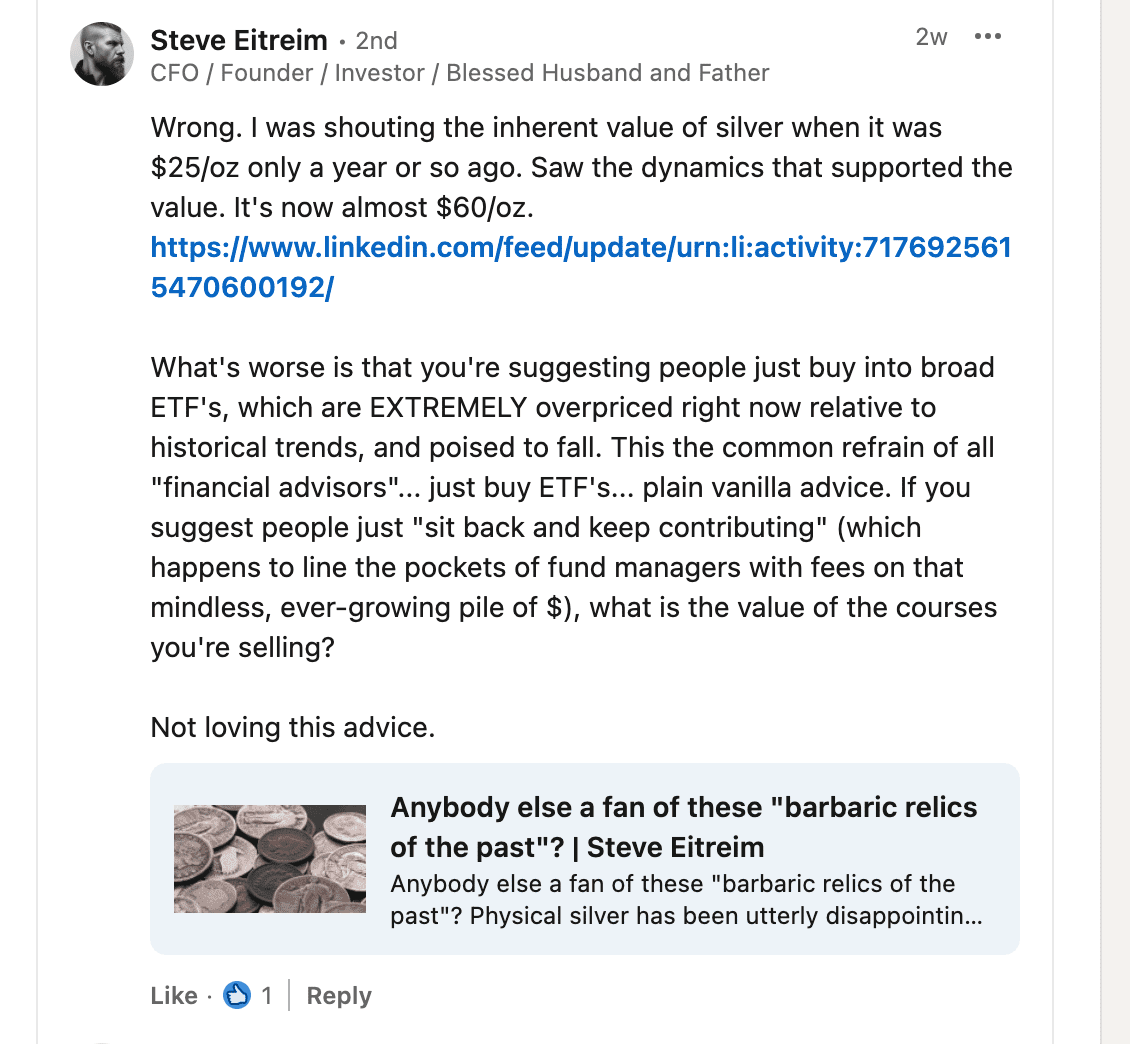
A LinkedIn comment
While it’s true that the market rises and falls, who knows when? Personally, I’m not bothered by a “mindless, ever-growing pile of $”— a decent depiction of the buy-and-hold investor’s aim.
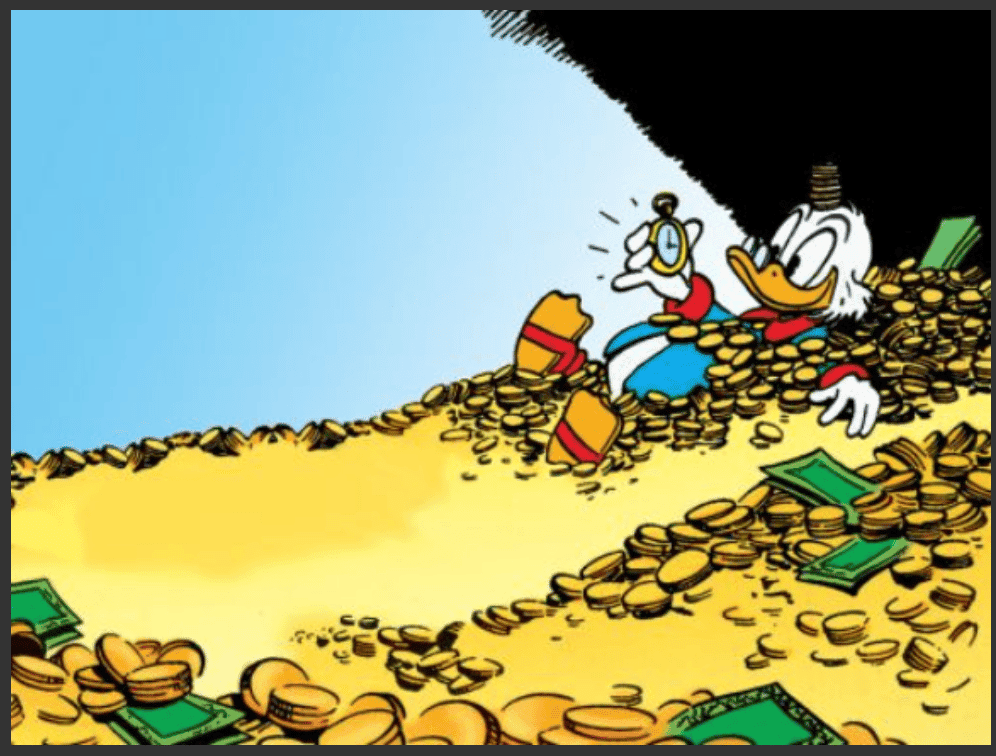
An alleged mindless, ever-growing pile of money
The Bottom Line
Trying to time the market is like trying to predict the future. A market timer’s likelihood of doing well is lower than a buy-and-hold investor’s.
Most winners are those who stay invested, stay consistent, and let time do the heavy lifting.
Because when it comes to building long-term wealth, time in the market beats timing the market.
