
If Money Is Energy, Use It to Create a Life You Love
Key Takeaways
Money is a means to an end.
Your values are the compass that gives money direction.
When you connect your money to your values, you stop chasing “more” and start creating a life that feels rich in every sense of the word.
Some people think of money as the ultimate goal. They want to make more, save more, accumulate more, as if it’s inherently valuable.
But those who are truly strong with money get it: money is energy. It’s not the end. It’s a means to an end.
Like electricity, money is neutral. It reveals its power when you decide how to direct it. Used intentionally, it can power a life of joy, freedom, and fulfillment. Used unconsciously, it slips away on things that don’t matter.
So how do you use money as energy to create a life you actually love?
Chasing Money for Its Own Sake
We’ve all thought, “If I just made a little more money, then I’d be good.” And we know it doesn’t always work that way.
A couple months after a raise or a windfall, we wonder why we don’t feel the relief we expected.
Without clarity, money often gets wasted on things that don’t really matter:
Impulse buys that collect dust.
Fees and charges that go overlooked.
Big purchases to meet societal expectations.
When money is misaligned with what matters, it feels like a treadmill; you’re exhausted but going nowhere.
What even is money?
What is money? This is a surprisingly hard question to answer.
Author Bill Brittain visited my school, Central Elementary, when I was a kid. His book All the Money in the World left an impression on me. He signed my copy!
It planted a seed of philosophizing about money and meaning, one that’s spread to my kids who’ve read and reread it.
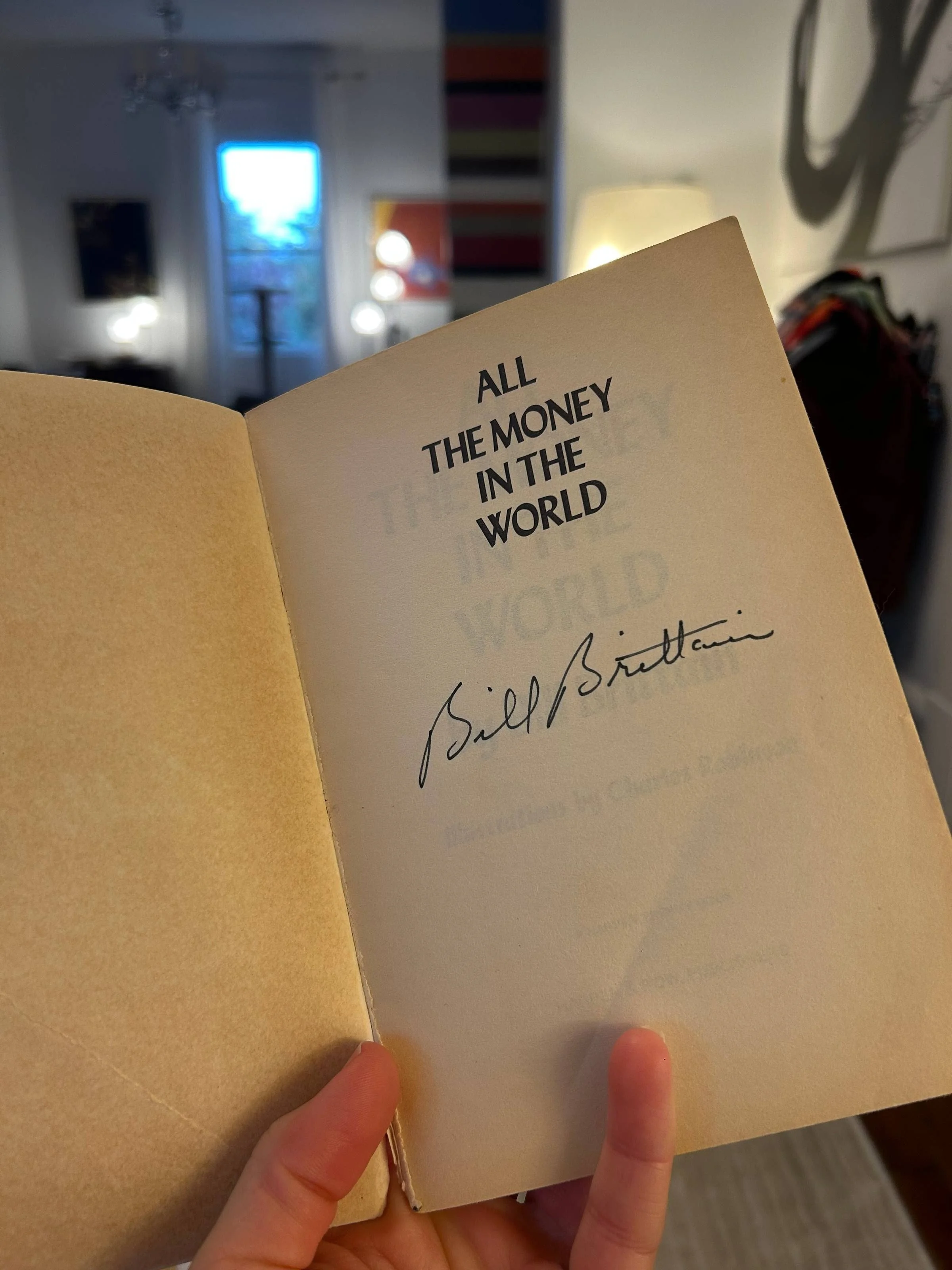
My signed copy of All the Money in the World by Bill Brittain
A young protagonist faces the pain of not having as much money as his friends, then the messy technicalities of getting “all the money in the world” from a literalistic leprechaun.
In a pivotal heart-to-heart about the meaning of money, Poppa explains to Quentin that people exchange their time and energy for money (pages 74-76).
Money– money stood for work and food and clothes and… and all kinds of things! It was a new idea. Quentin needed time to think.
‘But why don’t people just trade for what they need?’ he asked.
‘Suppose the general wanted that shirt, but Mr. Hobson didn’t have any work for him to do?’ asked Poppa. ‘What then?’
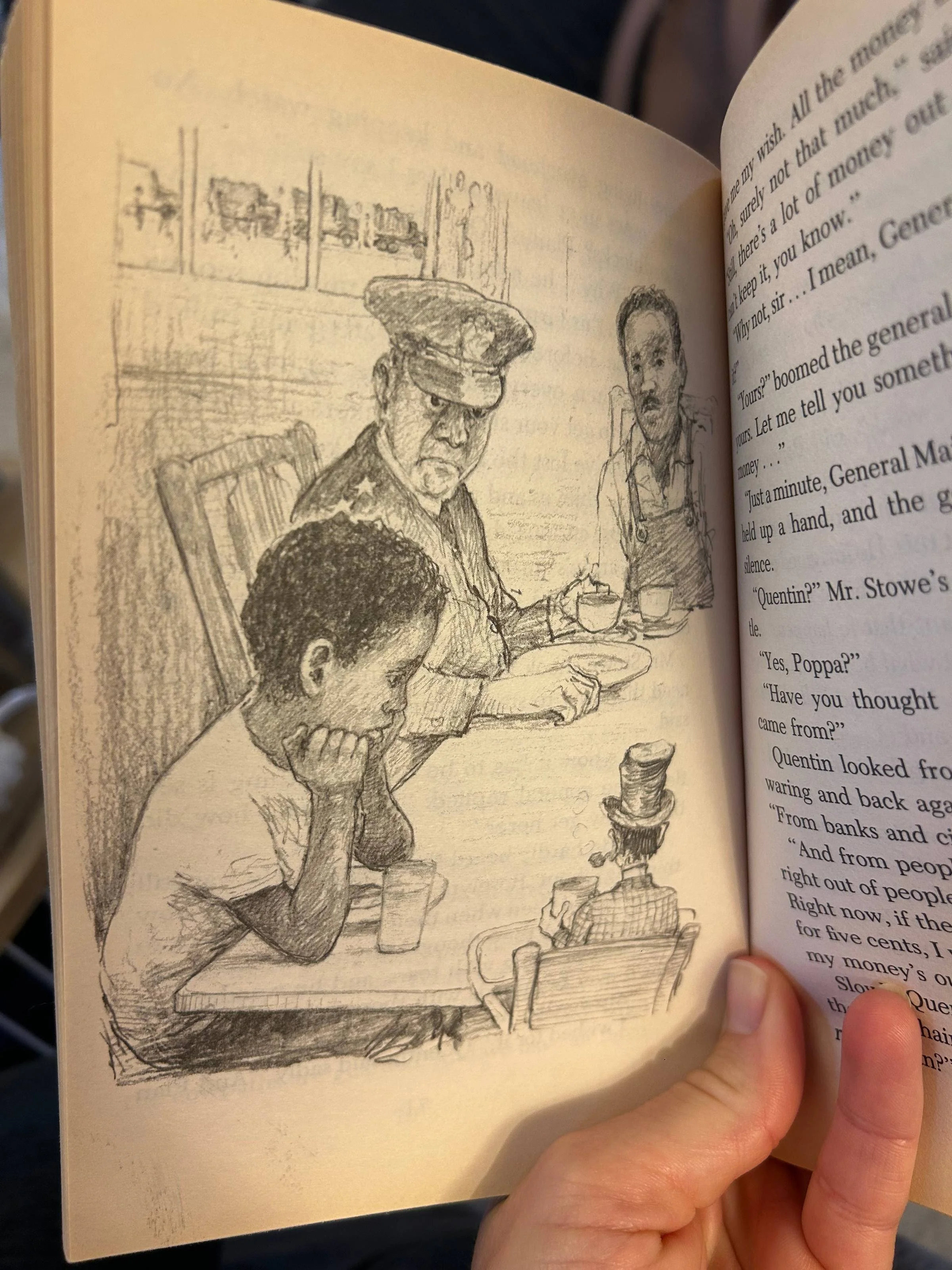
‘Couldn’t you write a note, Poppa? Saying the general had worked for you, and you’d give Mr. Hobson food in trade for the shirt?’
‘I could.’ Poppa smiled down at him. ‘And do you know what that note would be called?’
Suddenly, Quentin knew. ‘Money,’ he said.
Reframing Money as Energy
So it’s time for a paradigm shift.
Money is not the prize. It’s energy.
Think of it this way:
Money is stored potential. It’s value you can direct wherever you choose.
Money is a tool. Just like electricity can power a light bulb or a blender, money can create experiences, provide security, or open opportunities.
Money is neutral. It’s not “good” or “bad.” It’s what you do with it that matters.
In 2022, I came across Financial Freedom by Grant Sabatier. He explains that we exchange time and energy for money.
And unlike money, time is inherently limited. In one of my favorite books, Your Money or Your Life, author Vicki Robin asks us to ponder a simple but transcendent question: What are the hours of your life worth? What are you willing to trade them for? How much money are you willing to trade for your time?
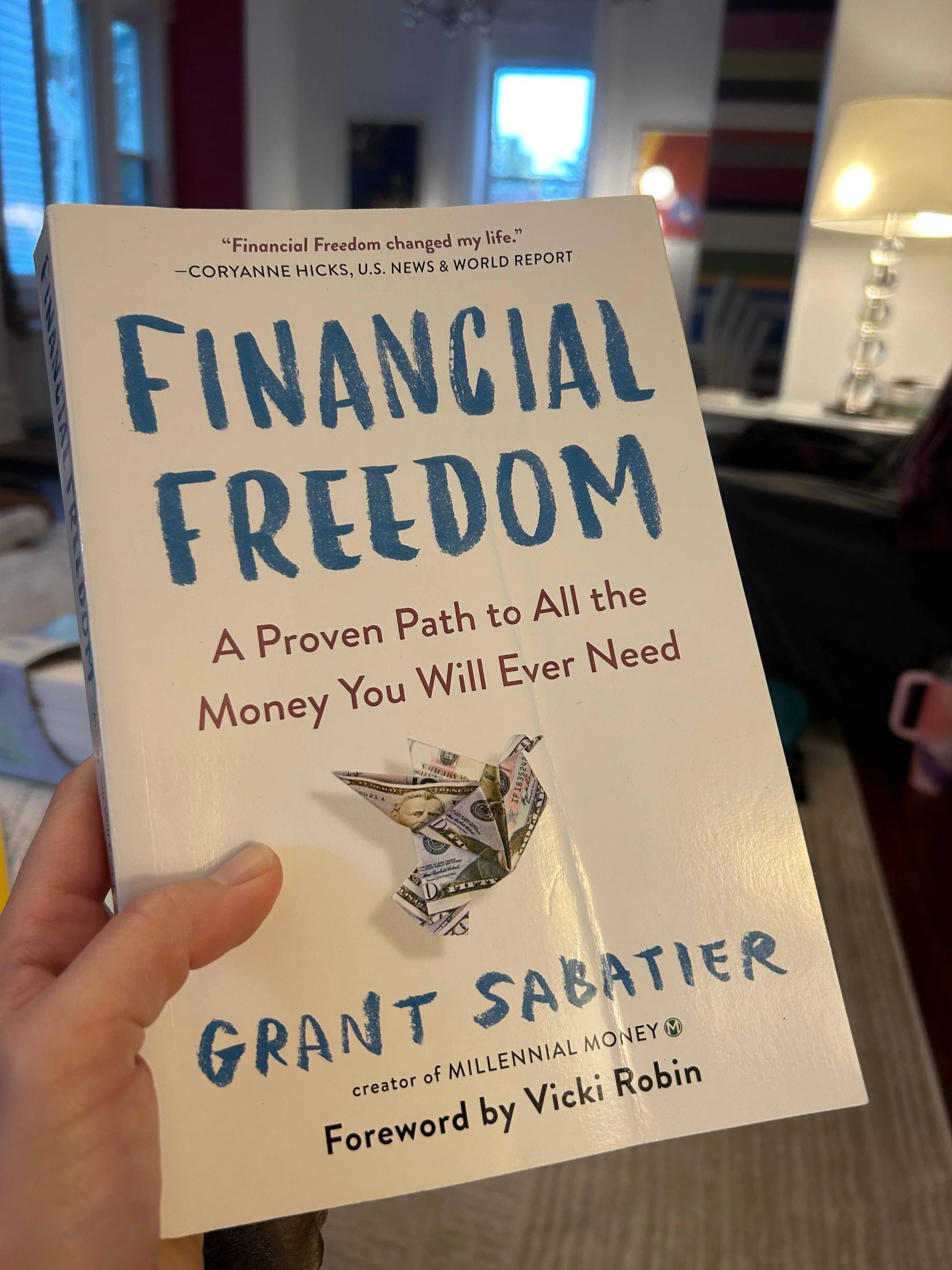
Financial Freedom by Grant Sabatier
(Ohio people: Sabatier also owns the adorable “Clintonville Books” on High Street in Columbus.)
When you see money as energy, you can switch from “Do I have enough?” to “How can my money energize my ideal life?”
Connecting Money to What Matters Most
If money is energy, then the real question becomes: Where do I want that energy to go?
That’s where values come in. Your values are the compass that gives money direction.
Ask yourself:
When do I feel most “alive” and most like “myself”?
What do I truly care about?
What kind of life do I want to create?
What do I want to look back on and feel proud of?

Not everyone’s ultimate goals are the same. Some might prioritize quality relationships with family and friends, travel, recreation, or art. And others, health, spirituality, creativity, service, or nature.
Practical Steps to Align Money and Life
Here’s how to start connecting your money to what matters most:
Define Your Values. Write down your top three to five values. These are the pillars of your life—what you want everything else to support.
Audit Your Spending. Look at the last 1–2 months of expenses. How does your spending trace back to your values?
Redirect Where Needed. If 100 people actually took the time to do this, I’m guessing 99 would find at least one expense they want to adjust. If something doesn’t align, cut it or reduce it. Free up that energy for what really matters.
Plan for Long-Term Values. Some values require future planning—like security, freedom, or legacy. Build savings and investments around those, so your money continues to serve your values long-term.
It's not about perfection. It’s about progress, moving your money into alignment with what matters, one step at a time.
The Payoff of Alignment
When you connect money to what matters, the payoff isn’t just financial; it’s emotional.
Less Stress: You stop feeling guilty about money because you know where it’s going.
More Joy: Every purchase feels intentional, not accidental or shame-ridden.
Greater Control: You feel empowered because your money is working for you, not against you.
The biggest payoff is peace of mind, knowing your financial life actually reflects the life you want to live.
Impact in my Life
If you have a problem, and you have the money to solve it, you don’t have a problem. For example, if you have a thousand-dollar problem, and you have $1,000, then you don’t have a problem.
Money’s power really speaks to me when it solves my problems. Last Thursday I had a hair appointment go wrong. Friday I went to another salon where I paid $290 to have it fixed.
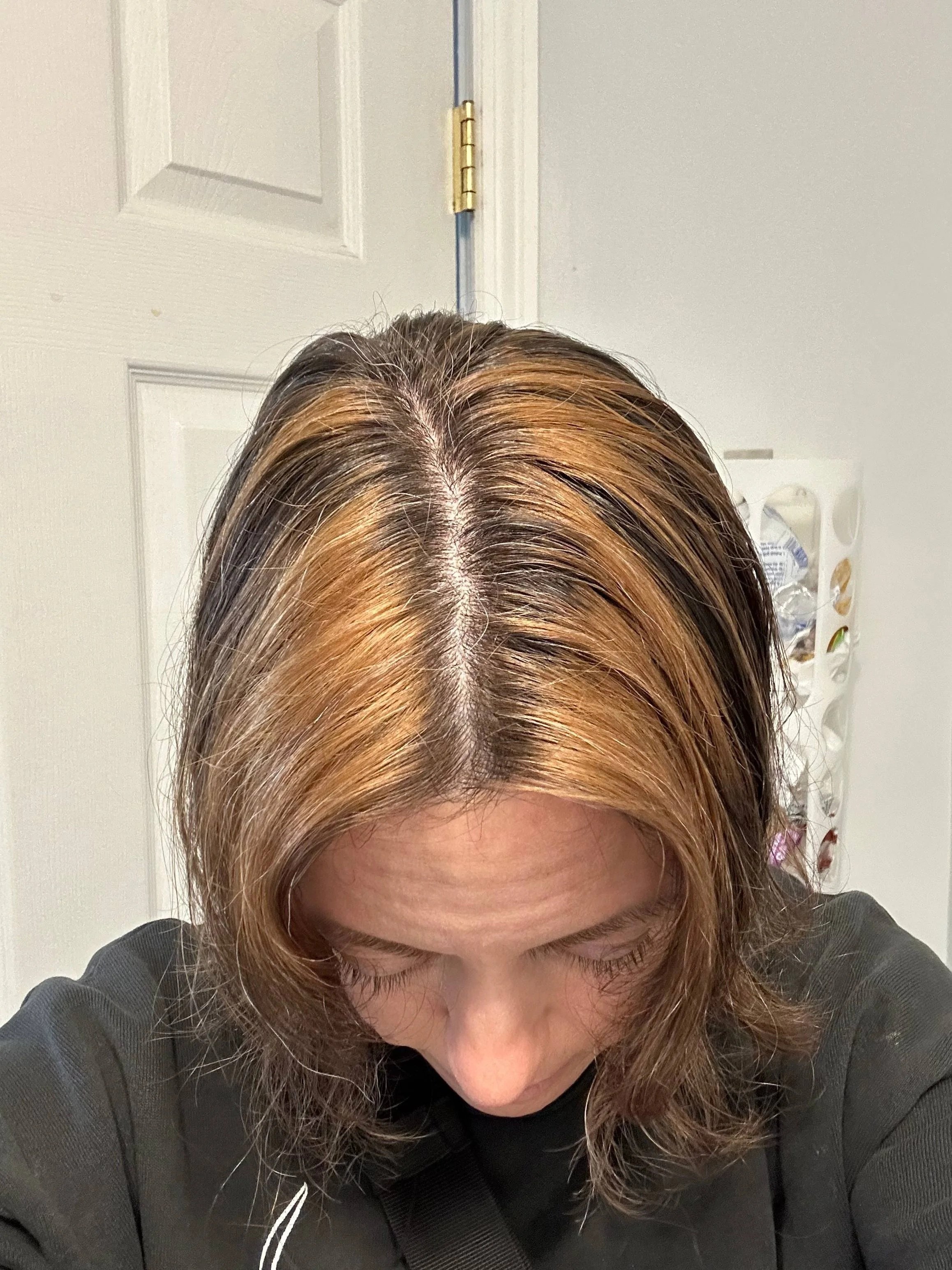
This is who I was last Thursday.
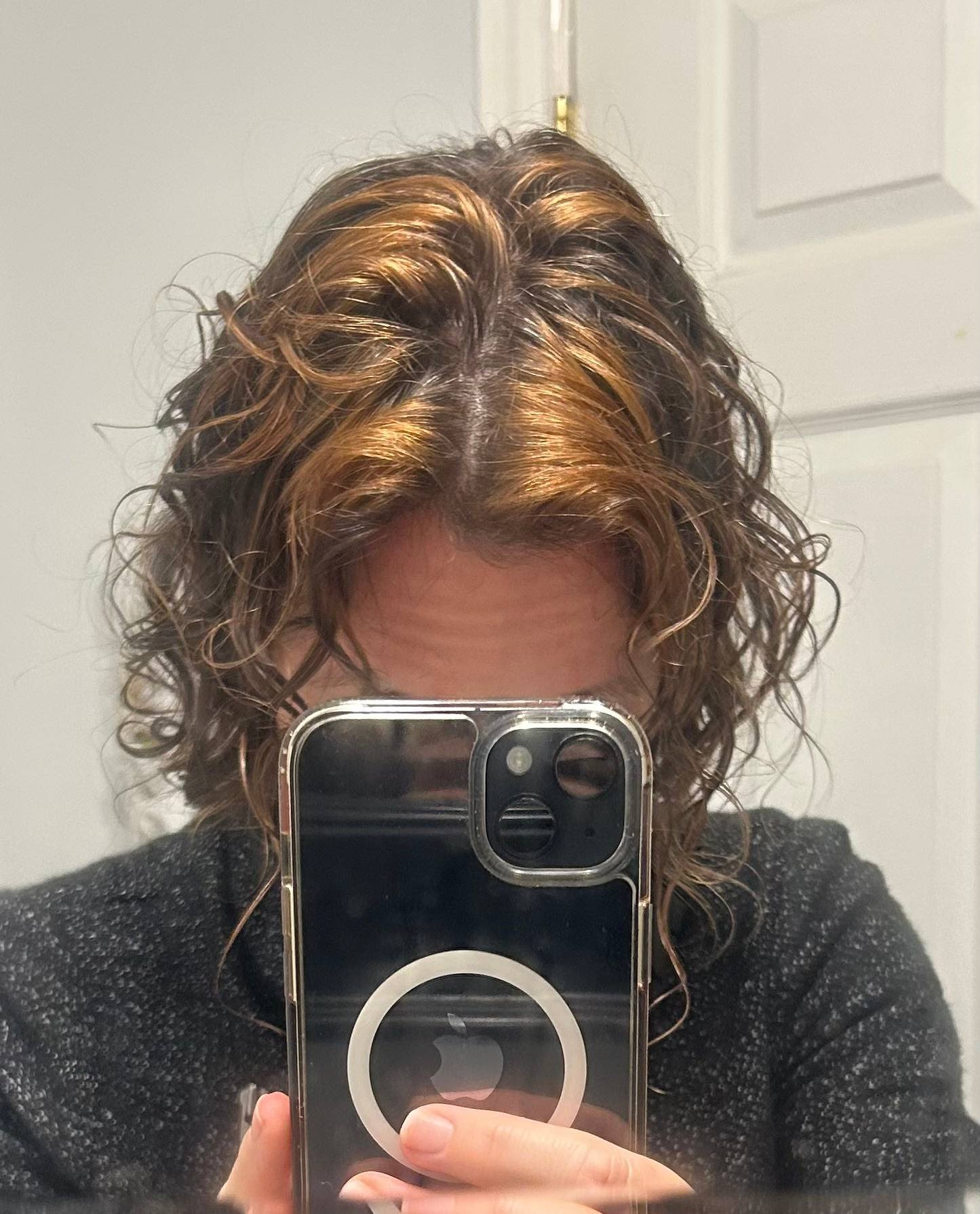
Thanks to money, I didn't have to keep these orange blobs in my hair.
For the past 6 weeks, a bathtub leak in my house has turned into a $22,000 renovation. The contractor is putting on the finishing touches this week. What a relief!
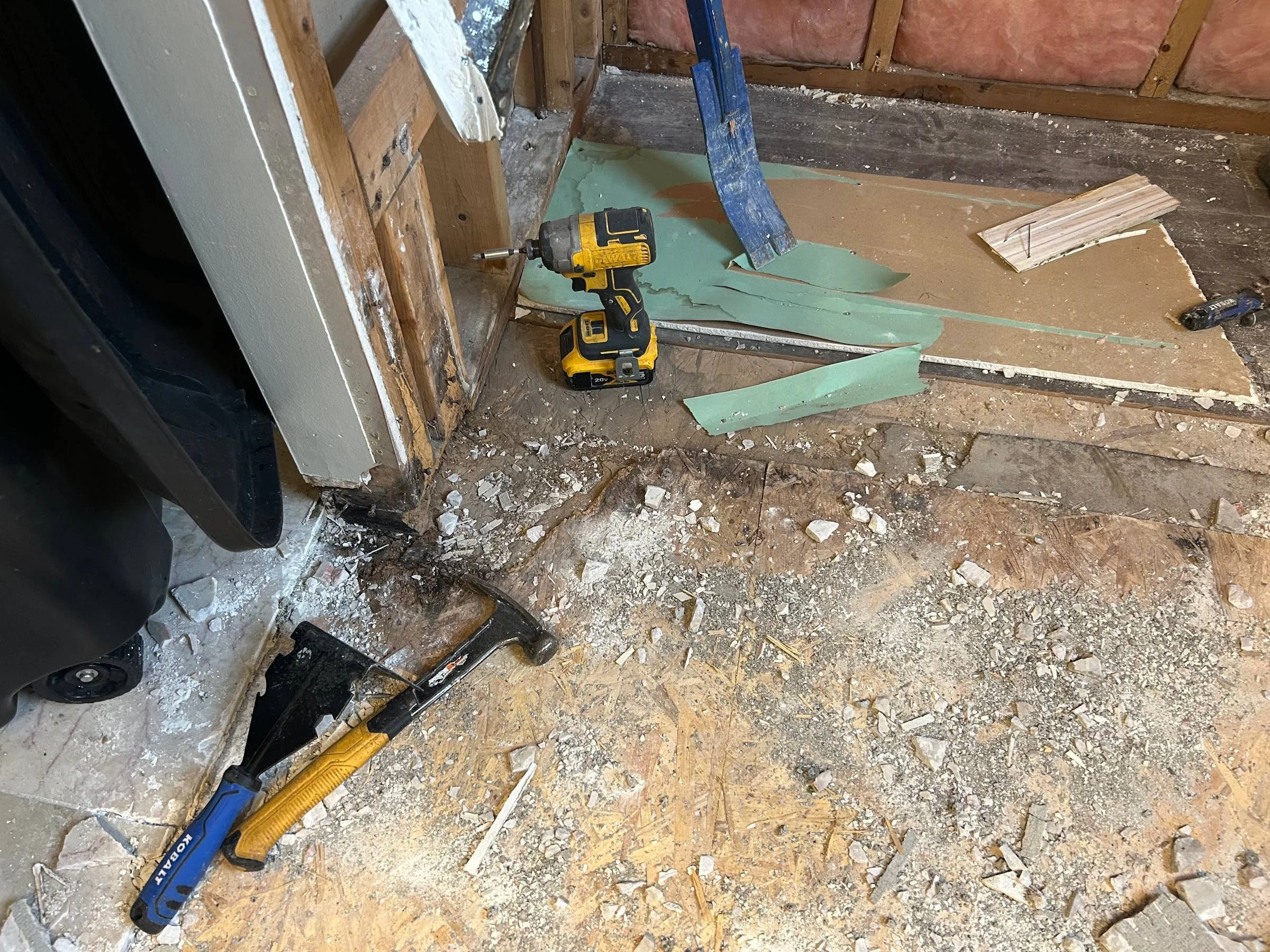
This was my bathroom before.
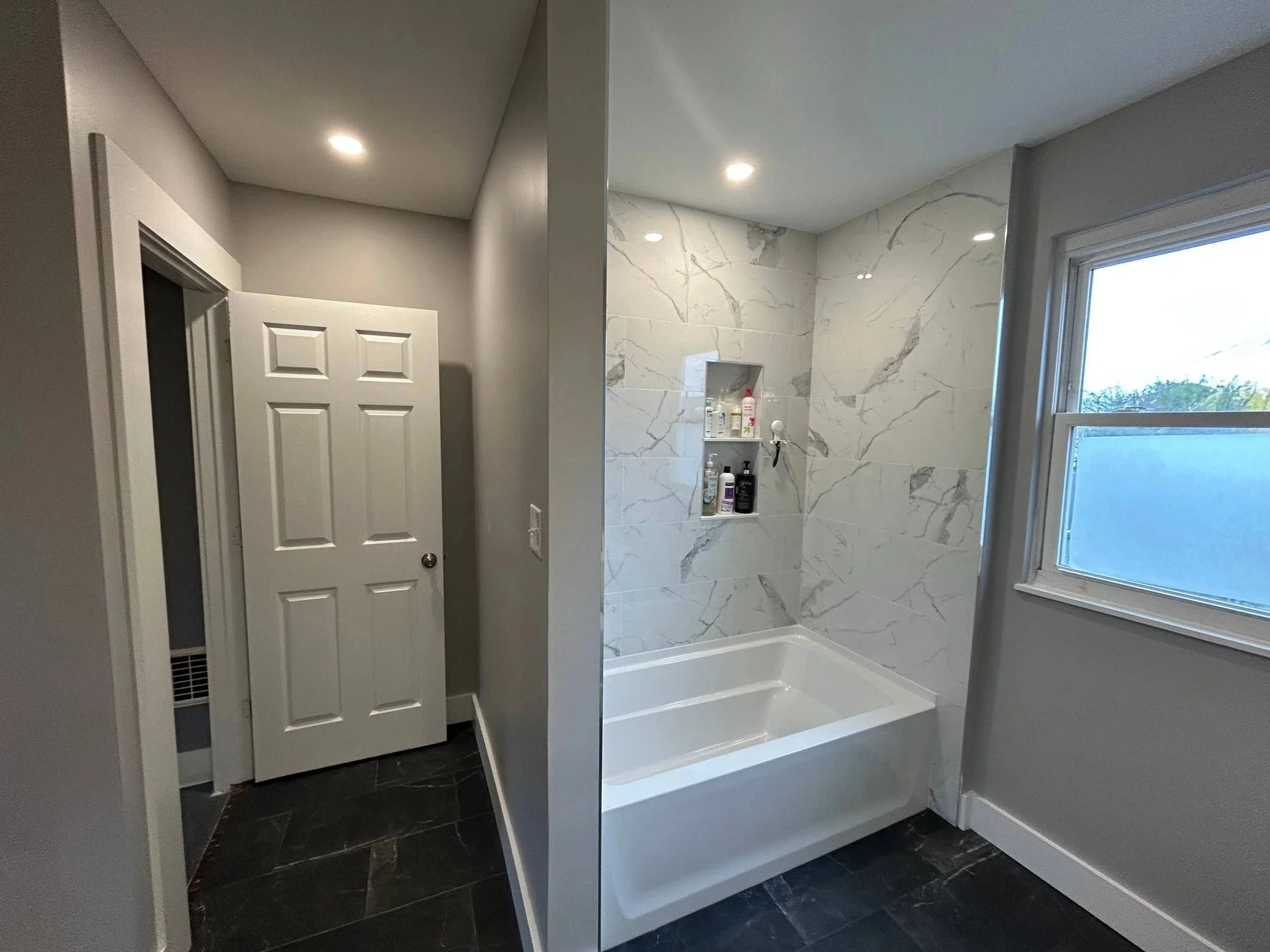
Money has come to the rescue in my bathroom.
Impact in Coaching
I worked with a couple in a strong, lasting marriage. After years of overlooking mounting debt, they turned to me when they had the courage to face their money head-on. One was suffering in an emotionally destructive work environment. The job brought household income but crushed the spirit of a treasured family member.
They began my financial coaching program, got clear on their numbers, made a game plan, and 9 weeks later were able to put in two weeks’ notice. I’ll never forget the smile on their faces, brimming with pride and relief. They said it was a dream come true, and never would have been possible without knowing their numbers.
That’s the power of aligning money with values.
The Bottom Line
Money is energy.
Its power isn’t just how much you have, but how you use it. When you connect your money to your values, you stop chasing “more” and start creating a life that feels rich in every sense of the word.
So ask yourself: What do I want my money to do? Where do I want my energy to flow?
