
Money Is a Lifelong Teacher: Why the Smartest with Money Never Stop Learning
Key Takeaways
Money is a lifelong teacher.
The smartest people aren’t the ones with all the answers—they’re the ones who keep asking questions.
If you’ve ever felt like you should know more about money by now, you’re not alone. Many people carry shame around their financial knowledge, believing they’re behind or that it’s too late to catch up.
Here’s the truth: money is a lifelong teacher.
No matter how much you already know, life will keep offering new lessons. And the smartest people aren’t the ones who have it all figured out—they’re the ones who stay curious, humble, and open to learning at every stage.
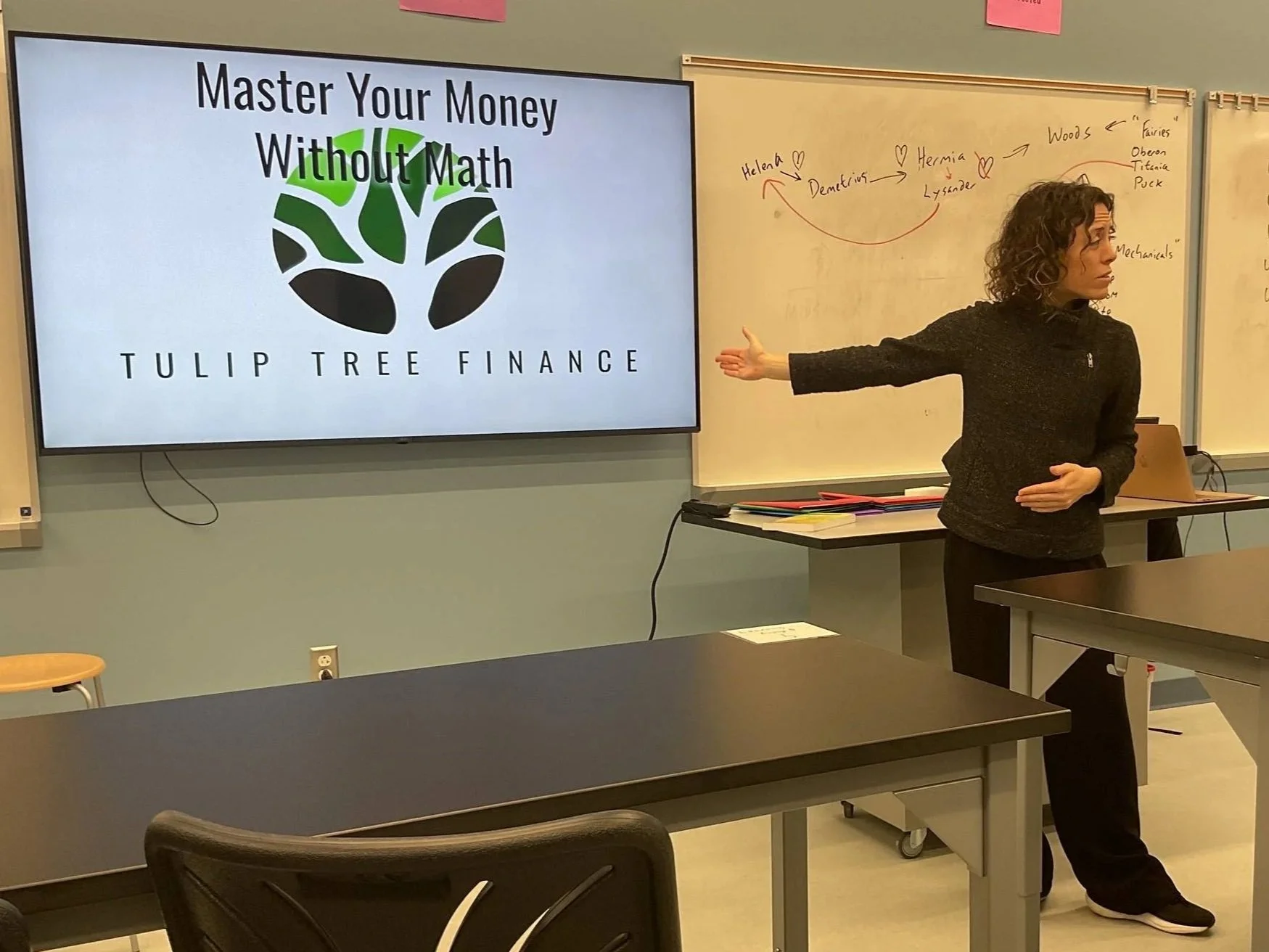
Some of us weren't taught about money, but we can choose to learn.
Money Keeps Teaching Us
Money isn’t a one-time subject you master and then move on from. It’s more like a language you keep learning as life unfolds.
In new chapters of life, new opportunities arise to hone skills. For example:
Early Adulthood: Career choices, spending, banking, budgeting, credit cards.
Family Years: Wedding expenses, couples’ communication, home ownership, mortgages, childcare, kids’ extracurriculars.
Midlife: Investing, saving, travel, college costs.
Later Life: Estate planning, caring for aging parents, healthcare, retirement.
Along with our life stages, the financial world is always changing, laws and technology constantly evolving.
Some timeless money lessons repeat so we can learn them afresh. Maybe we “knew” we should have money saved up in case of an emergency, then a new life experience drives that lesson home.
Money doesn’t stop teaching—and that’s a good thing.
The Cost of “I Already Have it Figured Out”
One of the biggest money traps is to act like a know-it-all, as if you don’t have any room for growth. Those who are genuinely money-strong are wise enough to see there’s no finish line in the learning journey.
The toughest financial coaching clients to help aren’t those who don’t know enough, but those who act like they do. The energy wasted projecting an “I-already-knew-that” image could be put to better use interacting with new ideas.
When you think you already know enough, or that you should already know enough, it costs you:
Overconfidence leads to mistakes. What worked in your past might not be the best move now.
Complacency causes missed opportunities. If you assume you’ve arrived, you’ll engage less and overlook new tools.
Fear of looking foolish prevents action. You may put off long-term moves like investing because you think you should already know what to do by now.
The Student’s Mindset
The most financially resilient people share a common trait: they approach money with a student’s mindset.
Not that they don’t know much. They may know a lot. But they stay curious, open, and willing to ask questions.
They don’t let pride stop them from seeking advice.
They celebrate progress instead of expecting perfection.
They see mistakes as lessons, not failures.
Shame says, “You should already know this.” Curiosity says, “What can I learn here?”
The student’s mindset leads to growth.
Practical Ways to Keep Learning About Money
Do you want to be a lifelong student of money? A few practical ideas:
Put Wisdom in Your Path
Books, podcasts, articles, and newsletters throw fresh ideas your way. On social media, teach the algorithm to show you solid personal finance content. Watch some of my favorite YouTube videos.
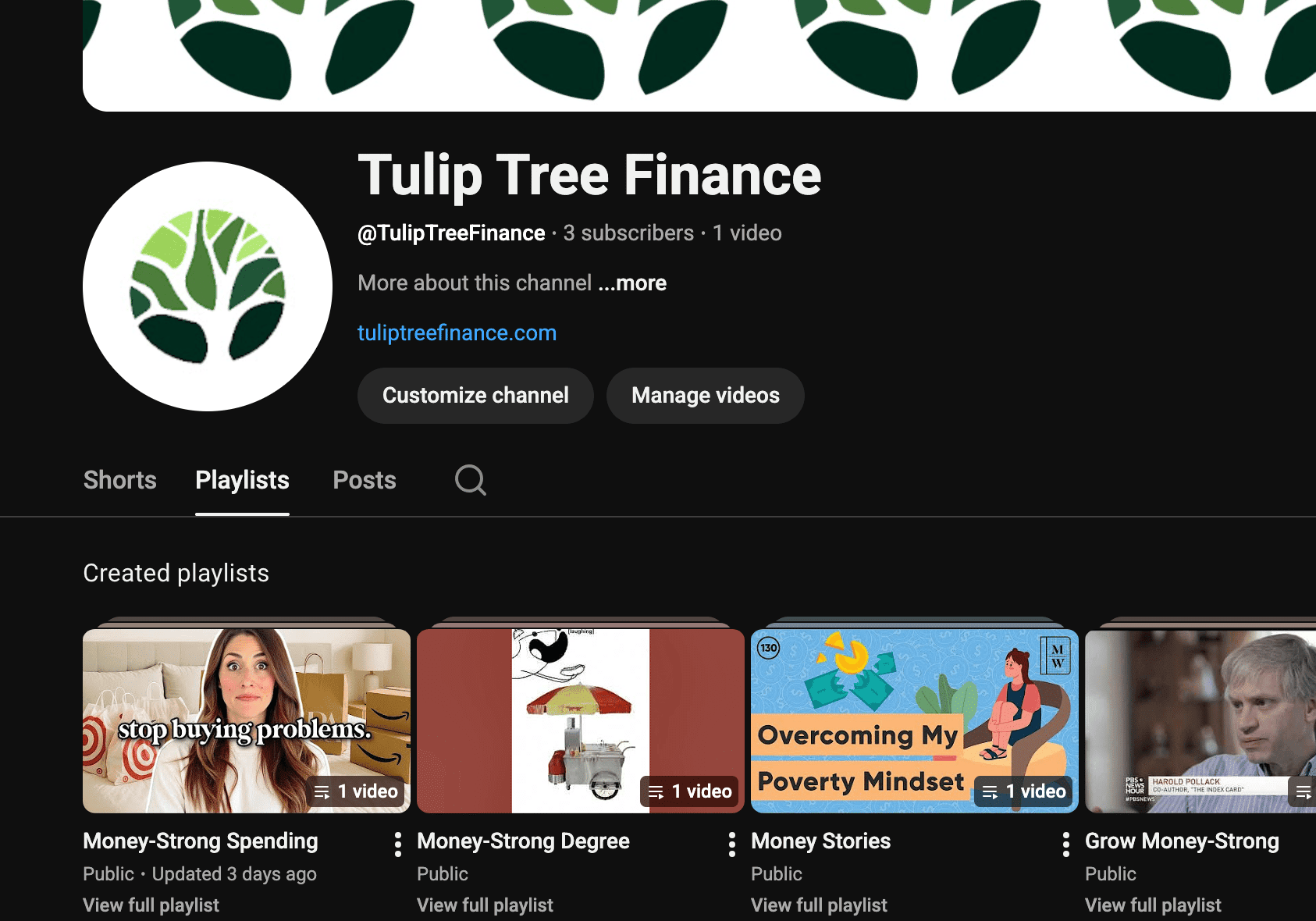
I've gathered some of my favorite videos on YouTube
Track Your Progress
I developed a Money-Strong Dashboard for my clients. It’s a spreadsheet to track their key numbers. Find a method that works for you to keep track of your key numbers– your net worth, income, and expenses. When you look at these regularly, sometimes the numbers themselves seem to make clear what’s working and what you’d like to change.
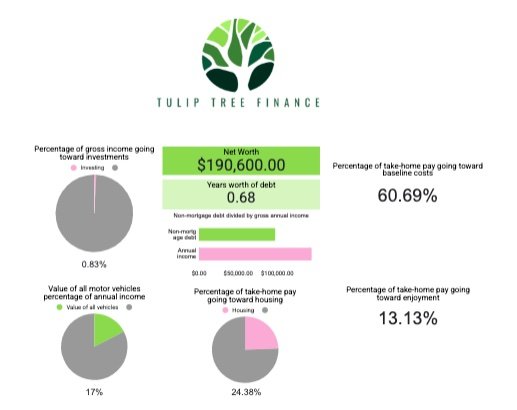
I developed the Money-Strong Dashboard for clients who book a Groundwork Session.
Celebrate Wins
Did you pay off a credit card? Build an emergency fund? Buy a property? Get a raise? Pause to acknowledge it. Do something fun to commemorate it. When you set and reach benchmarks, you grow stronger with money. Don’t let important milestones slip by unnoticed.
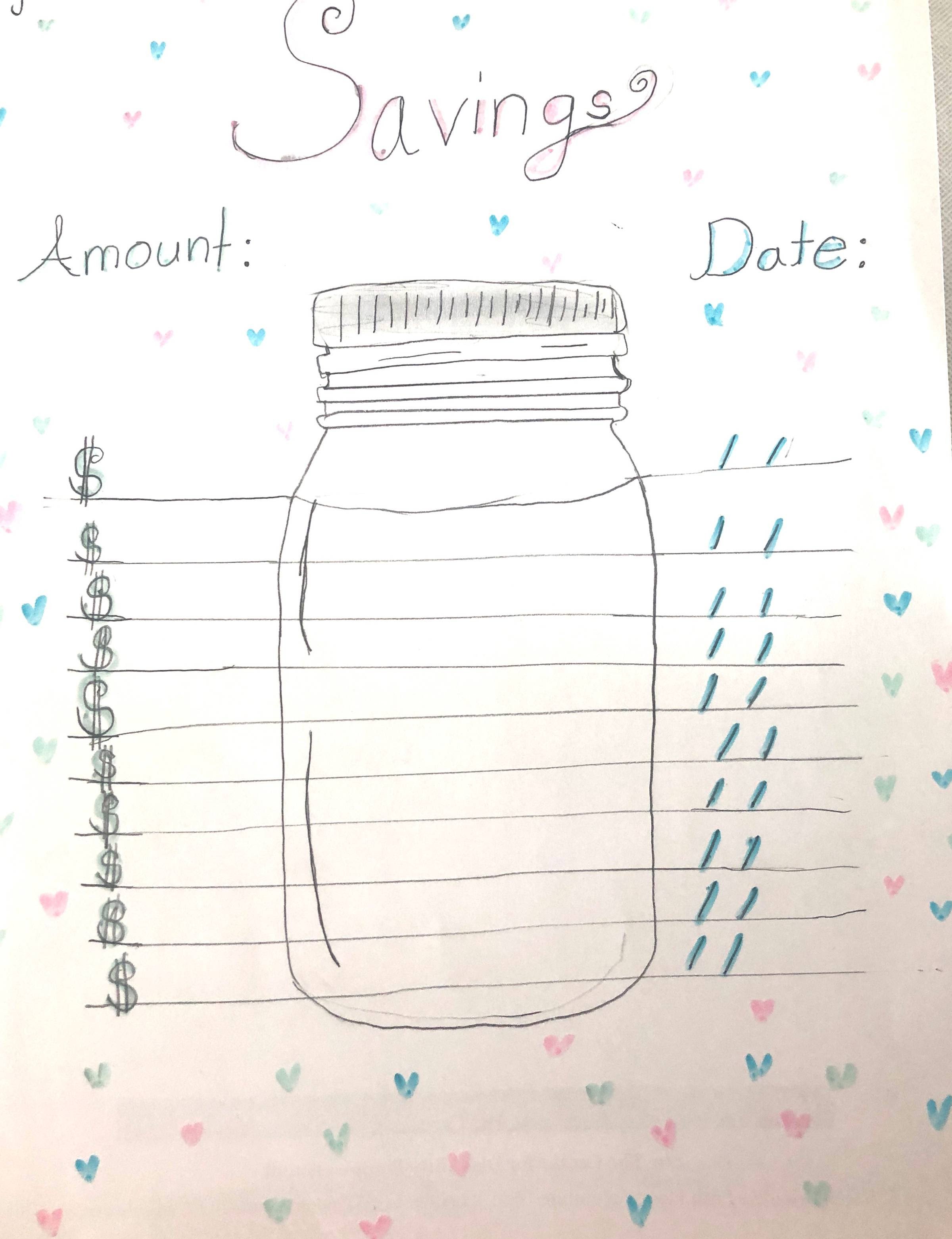
Track and celebrate your benchmarks
Seek Guidance
Trustworthy guides can save you years of trial and error. Who do you turn to with your money questions? Who shares credible and empowering input?
Take Small Steps Into New Areas
Maybe you tell yourself you need to improve your money, but it feels vague and overwhelming. Determine one small, concrete step you can take this week. What realistic, specific action will you take, and when? Small steps keep the momentum and lead you in the direction you want to go.
Real-Life Impact
A 30 year-old husband and wife came to me for financial coaching, saying, “We’re bad with money.” They believed they were messing up somehow.
In our first session, they were uncertain what it takes to be good with money, but assumed they didn’t have it. As we took a closer look, I saw something different. I saw strong savings, spending, communication, and shared dreams.
In some of their underdeveloped areas, they hadn’t yet been taught, and in others, they had been given misleading advice. But their weak areas were quickly redeemed by one strength– their appetite for learning.
That’s what had prompted them to seek financial coaching in the first place. The choice to get time with me in itself put them ahead of most of their peers, because they were dedicating time, thought, and conversation to their financial lives.
Soon they realized just how much they had going for them. After just 3 sessions, they felt clearer than ever about the components of a strong financial life. Since they already had discipline and unity, they were able to put their new knowledge into action immediately, sometimes even making changes before the end of our session.
After 9 months, their money life was unrecognizably stronger than before. They couldn’t deny it—they were indeed good with money. They knew they were.
That’s the power of a learner’s mindset. Learning supplies the awareness that squashes bad advice, extinguishes shame, strengthens your money choices, grows your confidence, and alters your life.
The Power of a Paradigm Shift
At 38, I felt sick of feeling in the dark about money, like everyone else had gotten a memo that I missed. I remember thinking,
“Was everyone else taught this stuff, except me?”
“Are we behind, or doing alright? How could we possibly know?”
“What are people talking about when they say ‘retirement planning’?”
“Why is it so hard to remember my bank account password– and even harder to want to log in?”
“If others get it, why can’t I?”
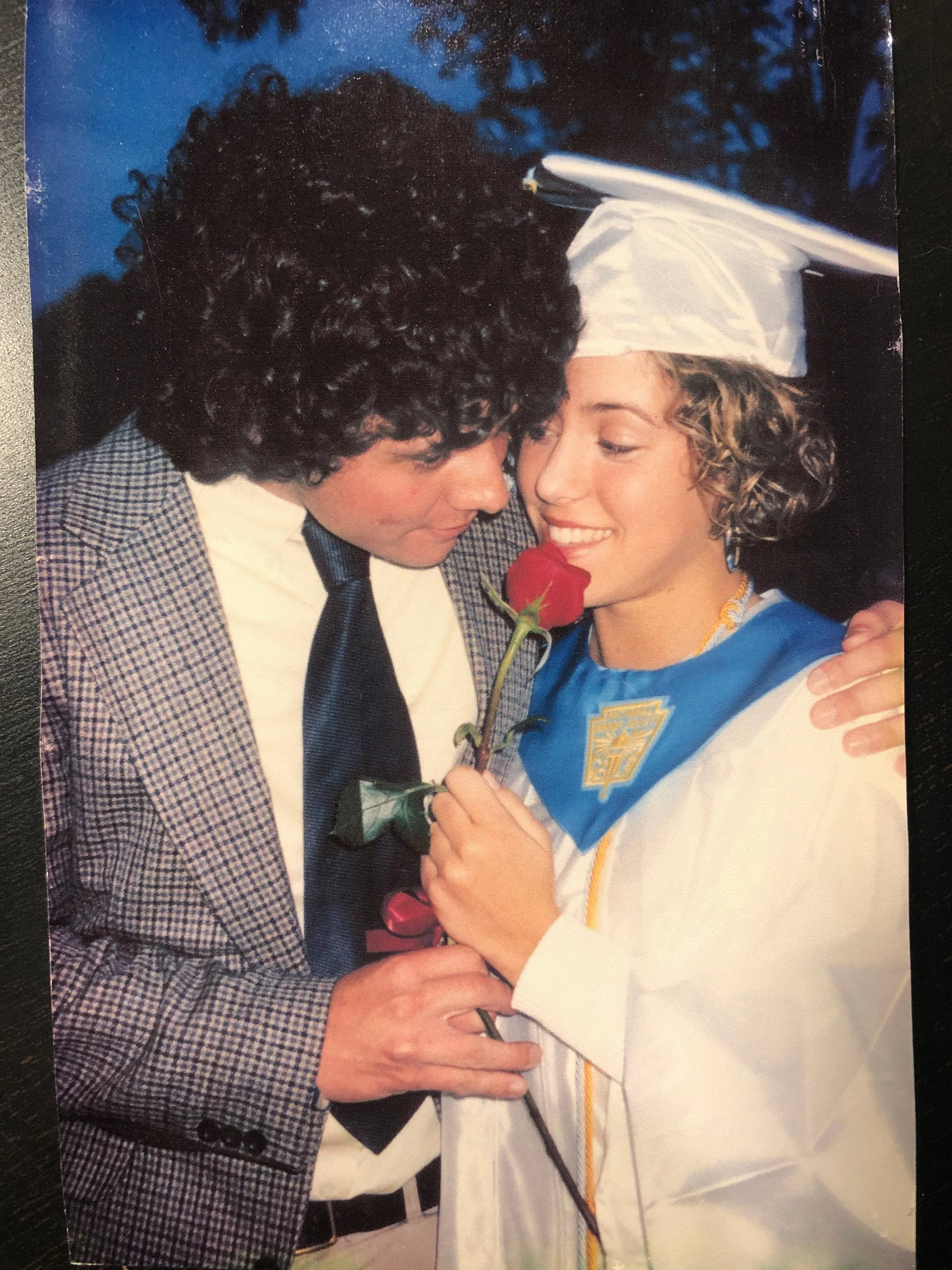
I don't remember learning anything about personal finance in school.
I knew how it felt to earn degrees, bear children, and find answers to countless questions on YouTube. What if money could become another thing that I used to not understand?
I pushed past my fear that studying money meant I had to fit a stereotype or change my personality. I had always enjoyed learning; here I was just adding a subject.
I pushed past feeling intimidated by jargon by telling myself to absorb material without pressure to understand everything. There were terms and concepts I didn’t grasp until I had heard them several times.
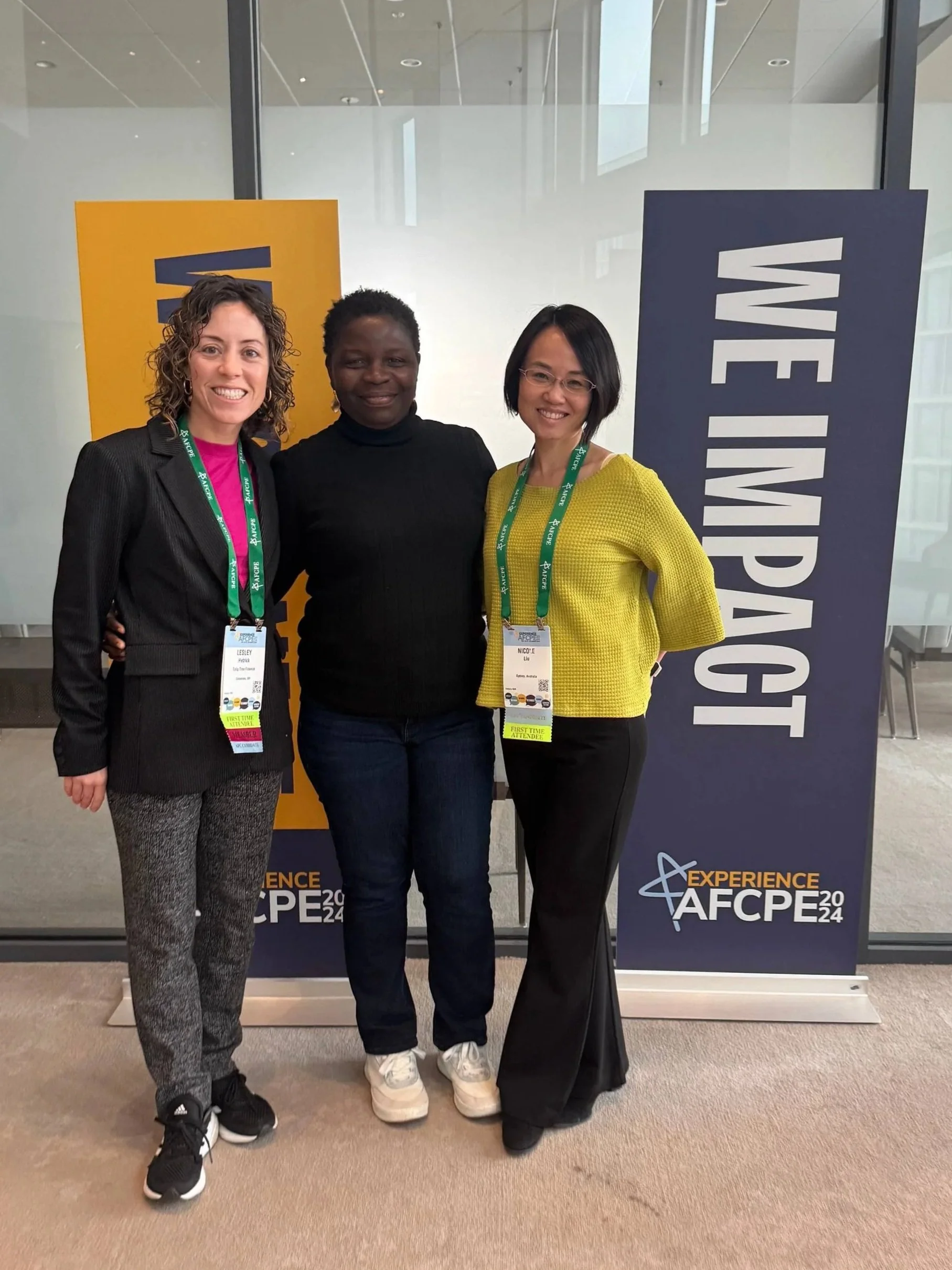
I used to feel clueless. Now I attend professional conferences.
It became clear:
Basically everyone feels unsure of how they’re doing with money—and the uncertainty feels terrible. I wasn’t the only one who had felt in the dark.
Money strength is learnable. But people don’t know where to turn to gain this strength.
I want to be someone to turn to, for those who don’t want to feel in the dark anymore.
The Ripple Effects of Lifelong Learning
Learning about money creates ripple effects:
Better understanding means better results. Some of your game-changing financial moves will be tips and tricks you wouldn’t have encountered without a learning posture.
Greater confidence means less worry. Sometimes we lack confidence because we lack competence. But personal finance is learnable, and no one has mastered it all. We fear the unknown, but we feel great when a concept clicks.
Positive role modeling means knowledge spreads. Kids, friends, and peers learn from your example. Maybe you didn’t have financial role models, but imagine if you had. Imagine the difference someone could have made. And imagine being that person for someone in your life.
The Bottom Line
Money isn’t a subject you graduate from. It’s a lifelong teacher.
The smartest people aren’t the ones with all the answers—they’re the ones who keep asking questions.
Stay curious. Celebrate your wins. Learn from your mistakes. And remember, you don’t have to do it alone.
