
Are Childhood Beliefs Secretly Controlling Your Finances?
Key Takeaways
Growing up, you absorbed money lessons.
Beliefs drive habits, and habits drive outcomes.
When you uncover old beliefs, you can choose to rewrite them—and create new financial habits that reflect who you want to become.
You make money choices every day—what to buy, what to save, what to ignore.
On the surface, these seem like adult decisions. But here’s the surprising truth: many of your financial habits were shaped long before you opened your first bank account.
Childhood beliefs about money often live deep beneath the surface, quietly steering your financial life today.
What Are Childhood Money Beliefs?
Growing up, you absorbed money lessons—even if no one ever sat you down to teach them.
Maybe you heard:
“We can’t afford that.”
“Money is stressful.”
“Rich people are greedy.”

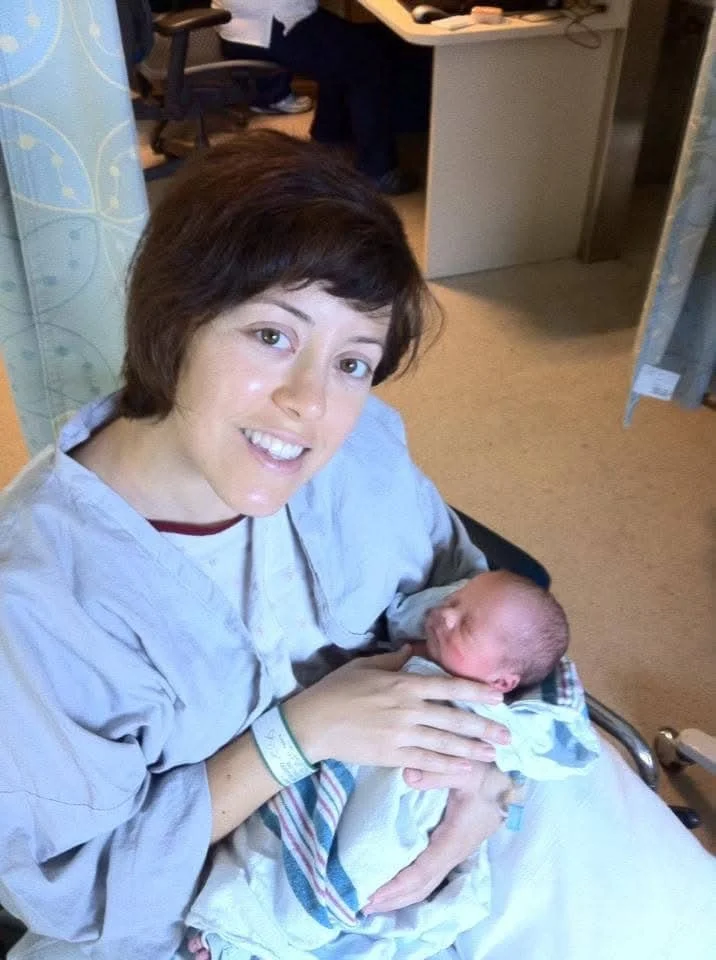
Me as a kid
Or maybe your household avoided money conversations altogether, leaving you to fill in the blanks yourself.
Those beliefs—spoken or unspoken—became your money story.
How Childhood Beliefs Show Up in Adult Finances
Fast-forward to adulthood. You may think you’re making rational, grown-up money choices, but old beliefs sneak in.
Overspending. If you grew up hearing “we can’t afford that,” you may overspend now as a way of rebelling against scarcity.
Avoidance. If money was stressful, you might avoid looking at your accounts or opening bills.
Over-saving. If finances felt uncertain, you might save excessively, afraid of losing it all.
Self-worth tied to money. If status was emphasized, you may measure your worth by income or possessions.
These patterns aren’t about math. They’re about mindset.
Why This Matters More Than Math
Most of us know the basics: debt costs money, saving builds wealth, investing grows over time.
So why do we still struggle?
Because beliefs drive habits, and habits drive outcomes.
Someone might know that carrying a credit card balance is expensive—but if their belief is “I deserve this now,” they’ll swipe anyway.
Math tells us what to do. Beliefs determine what we actually do.
When I was a kid, I heard, “They’re laughing all the way to the bank.” The impression in my young mind: people with wealth get a kick out of taking advantage of people.
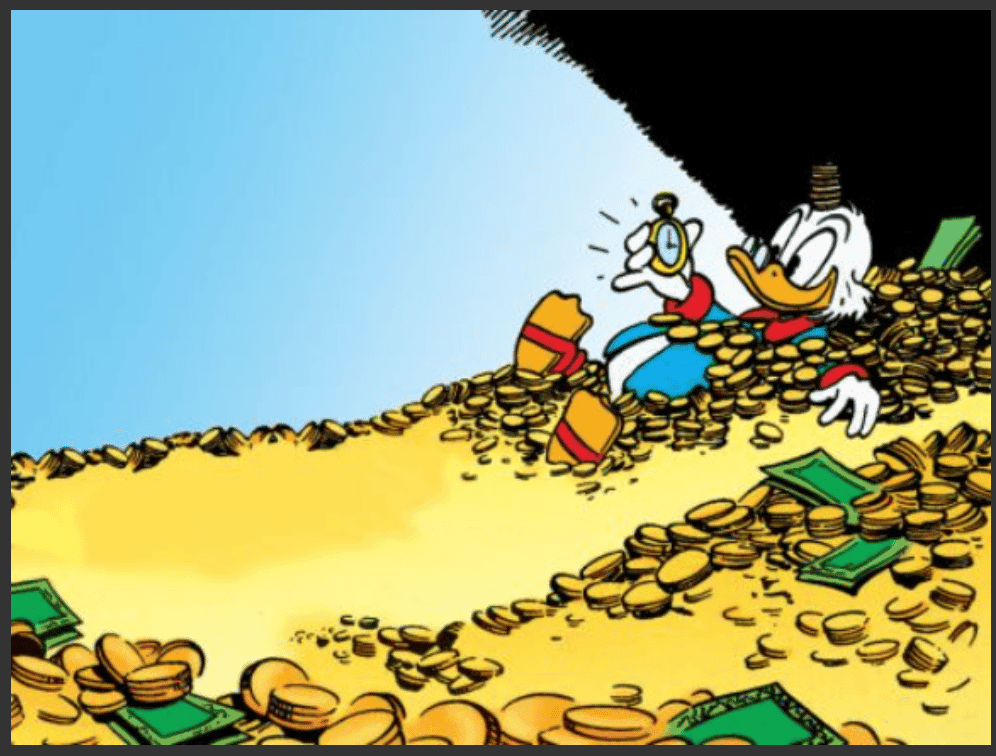
As a kid, I picked up a belief that wealth was bad.
I didn’t want to be like that. So for part of my adulthood, I had no desire to learn how to grow wealth.
Then I stepped back to reevaluate my unconscious assumption.
Money matters only because it strengthens what matters more than money.
I realized that money has power for good. Money supports what really matters. I decided to strengthen my money in order to strengthen what matters, and it changed my life.
How to Identify and Rewrite Your Money Story
The good news? You can uncover and rewrite your money story.
Reflect on childhood messages. Ask: What did I hear about money growing up? How did my family talk—or not talk—about it?
Spot repeating patterns. Do you avoid, overspend, or cling too tightly to money?
Practice empathy. Thank yourself for surviving with the tools you had. Encourage yourself for making changes now. Forgive yourself for past mistakes.
Create new beliefs. Replace “I’ll never get ahead” with “I’m learning to grow financially every day.”
Reframing your beliefs opens the door to healthier habits.
Real-life Impact
I met with a couple who shared some of their childhood experiences with money. An unexpected death in the family had taught them: Enjoy life now, before it’s too late.
My clients didn’t want to spend their lives working and sacrificing—only to miss out on what matters.
But this ingrained belief left them with $64,000 in consumer debt and $850 in savings.
They realized that credit card companies and lenders had exploited the carpe diem value they held dear (laughing all the way to the bank).
Sure, they could enjoy the moment now—if they burdened their future selves with debt.
But as they became their future selves, their past decisions meant they couldn’t enjoy life now!
So together we created a plan that honored their need to live in the present—a strategic plan to tackle their debts and maximize their quality of life both now and moving forward.
As they worked their plan, they felt more hopeful and unified than ever before in 14 years of marriage. After the first 5 weeks of financial coaching, they had knocked out two debts entirely (freeing up $600 a month previously going toward payments). They even saw their savings account increase to $1,500.
That’s the power of acknowledging and reframing your childhood money stories.

The Bottom Line
Your childhood money story may be silently shaping your financial life today.
But awareness is powerful. When you uncover old beliefs, you can choose to rewrite them—and create new financial habits that reflect who you want to become.
